

Author:Currency Explorer
The war with Iran has exacerbated the risk of stagflation in the global economy. KPMG Chief Economist Diane Swonk stated that...Once stagflation takes hold, a "deep recession" may be the only way out.
Swank's concept of stagflation is a worrying economic scenario characterized by persistently high inflation and sluggish economic growth. This situation may be more challenging than a simple recession, as it puts the Federal Reserve in a difficult position regarding interest rate adjustments, making it challenging to maneuver smoothly whether to raise or lower rates.
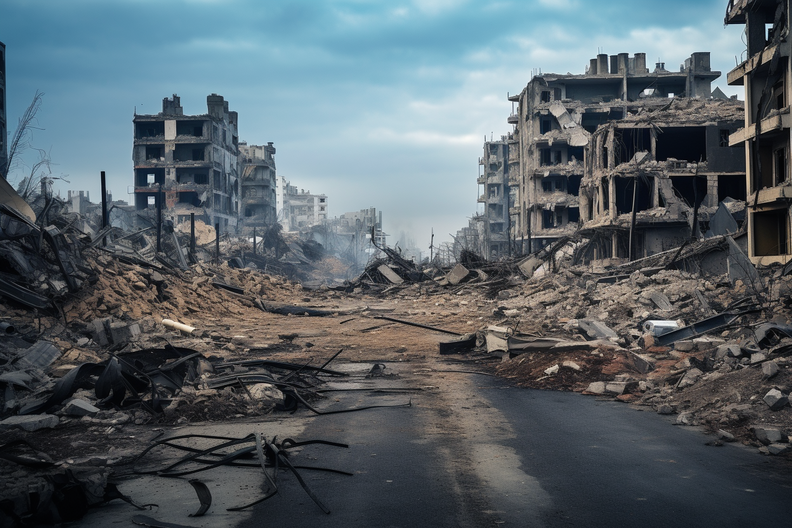
Swonk points out that the war with Iran triggered multiple supply-side shocks, directly leading to commodity shortages and rising prices. On another key dimension of stagflation, she believes the labor market also faces the risk of rising unemployment.
"If the economy falls into a period of stagflation, the only clear path out is a deep recession," Swonk wrote. She also noted that this risk is more likely to occur in economies outside the United States, but it is still a significant concern for the United States.
Supply shocks give rise to stagflation risks
Swank stated, "The blockade of the Strait of Hormuz and the resulting surge in oil prices have had an impact far beyond a simple oil shock." She believes that...The impact of the current situation is more severe than any previous oil crisis in history.
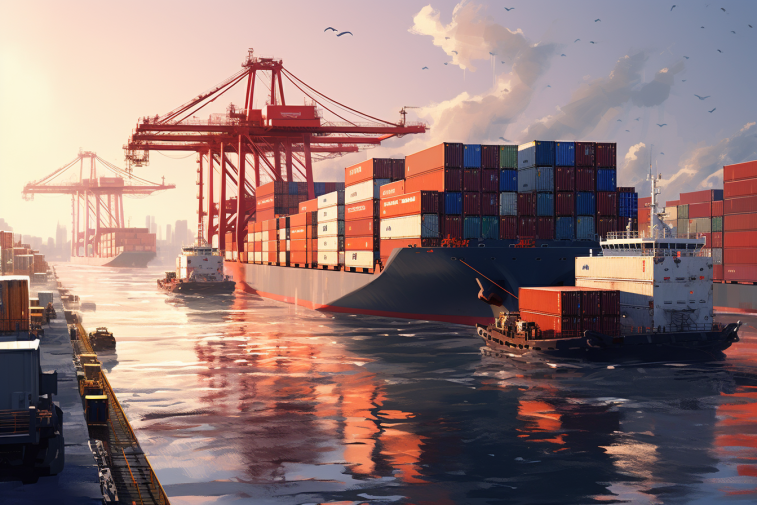
She emphasized that the Strait of Hormuz not only controls the lifeline of global oil trade, but also transports many key economic raw materials such as helium and fertilizers through it.
This directly drives up various costs, leading to price increases, while companies' willingness to hire decreases significantly, impacting the job market.
The economist wrote: "The enormous cost pressures are directly causing cost-push price increases on the one hand, and businesses are becoming increasingly reluctant to hire employees on the other."
She added, "Salaries are rigid and difficult to lower easily, so companies can only resort to layoffs, which leads to an increase in involuntary unemployment, and rising prices exacerbate this trend."
Multiple factors are intertwined, causing the risk of stagflation to continue to rise.
The Federal Reserve is in a dilemma
Typically, when inflation rises or economic growth stagnates, central banks intervene to balance economic risks by adjusting monetary policy.
As is customary, the Federal Reserve will either cut interest rates to stimulate economic growth and boost employment, or raise interest rates to curb inflation.
However, this conventional approach is now completely ineffective because the current economic problem lies on the supply side, not the demand side. Lowering interest rates will exacerbate inflation, while raising them will drag down economic growth.
Swonk stated, "This will put the Federal Reserve in a more difficult predicament than in 2025, where its dual mandate of stabilizing prices and achieving full employment is in conflict."
Expectations of interest rate hikes continue to rise
Investors' expectations for a Federal Reserve rate cut this year are cooling, and they are beginning to price in the possibility of a rate hike.
Swank's views align with those of market investors. She explained, "The likelihood of a Fed rate hike in the second half of the year is increasing, and I expect the Fed will be forced to take this step, with other central banks following suit.”
However, Goldman Sachs disagrees with this view, stating that even if market expectations change, the likelihood of a Fed rate hike in 2026 remains low.