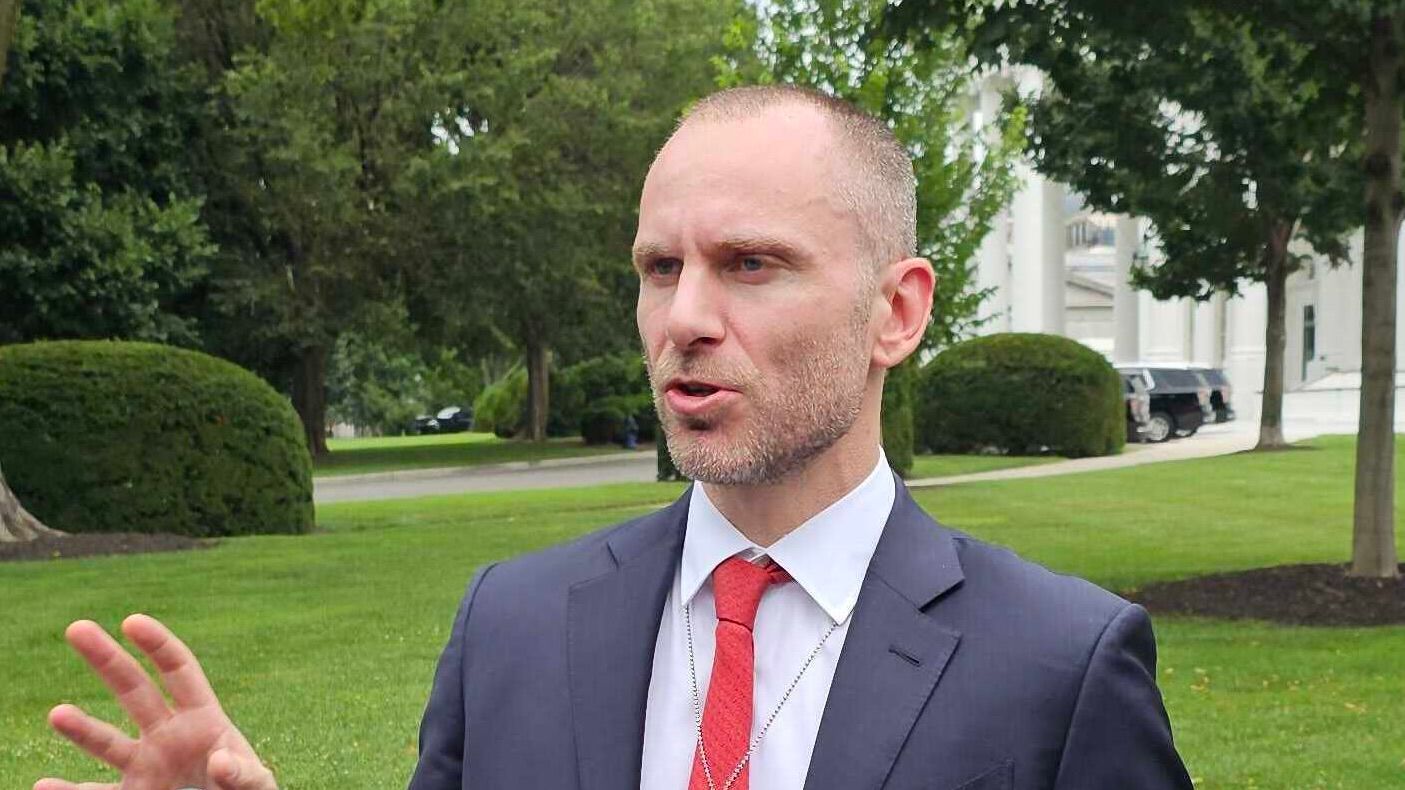
CoinDesk published an article stating that pessimism surrounding DeFi has recently intensified due to factors including a drop of approximately $20 billion in total value locked and financial losses resulting from multiple security incidents. However, Andrew Forson, President of DeFi Technologies, believes that interpreting these fluctuations directly as an industry downturn ignores the fact that stablecoins and institutional participation are still expanding.

Lock-up price drop and security incidents
The article mentions that DeFi has recently come under renewed pressure due to hacking attacks and bridging vulnerabilities, leading to increased market skepticism about protocol security. Some comments have even directly linked the increased attack capabilities of AI to the growing risks in DeFi.
Forson holds the opposite view. He believes that vulnerabilities in individual protocols or cross-chain bridges are insufficient to indicate the failure of the entire DeFi system. The crux of the controversy lies in the tendency to amplify localized incidents while ignoring the continued operation of underlying use cases such as stablecoins, liquidation, and on-chain settlement.
Stablecoins remain a core support.
The article cites Forson as saying that by the end of 2025, the holdings of US Treasury bonds behind stablecoins such as USDT and USDC will exceed $150 billion. Data from the Bank for International Settlements also shows that as of December 2025, stablecoins will hold more than $153 billion in US Treasury bonds and short-term debt.
He believes this demonstrates that stablecoins have become a foundational layer of DeFi, rather than a peripheral application. Chainalysis previously estimated that stablecoin transfers exceeded $35 trillion last year. Forson also stated that related transaction volumes continue to grow at 20% to 30% per month.
- Stablecoin holdings in US Treasury bonds: Over $150 billion
- BIS statistics for December 2025: Over US$153 billion
- Chainalysis estimates annual transfer amounts to exceed $35 trillion.
Transparency and Institutional Entry
Regarding the claim that "AI will make DeFi less secure," the article argues that at least the Bitcoin and Ethereum mainnets, as well as core stablecoin systems like USDT and USDC, have not experienced any breaches in their underlying protocols.
Forson further stated that the openness and transparency of on-chain systems actually helps to discover problems more quickly. Once a vulnerability is found in a protocol, the market will quickly price it, and developers and the community will be able to fix the flaws more quickly. In contrast, risks in traditional financial systems sometimes linger longer within closed systems.
The article also mentions that despite the cyclical fluctuations in DeFi, large Wall Street institutions have not withdrawn from the business. Morgan Stanley, BlackRock, JPMorgan Chase, and Charles Schwab, among others, have launched various forms of crypto or tokenized services in recent years.

According to Forson, DeFi is still in its early stages, and market volatility and vulnerability exposure are more like stress tests than the end of the industry. The article's core argument is that security incidents will continue to influence market sentiment, but stablecoin expansion and institutional entry remain more important clues for observing the future direction of DeFi.