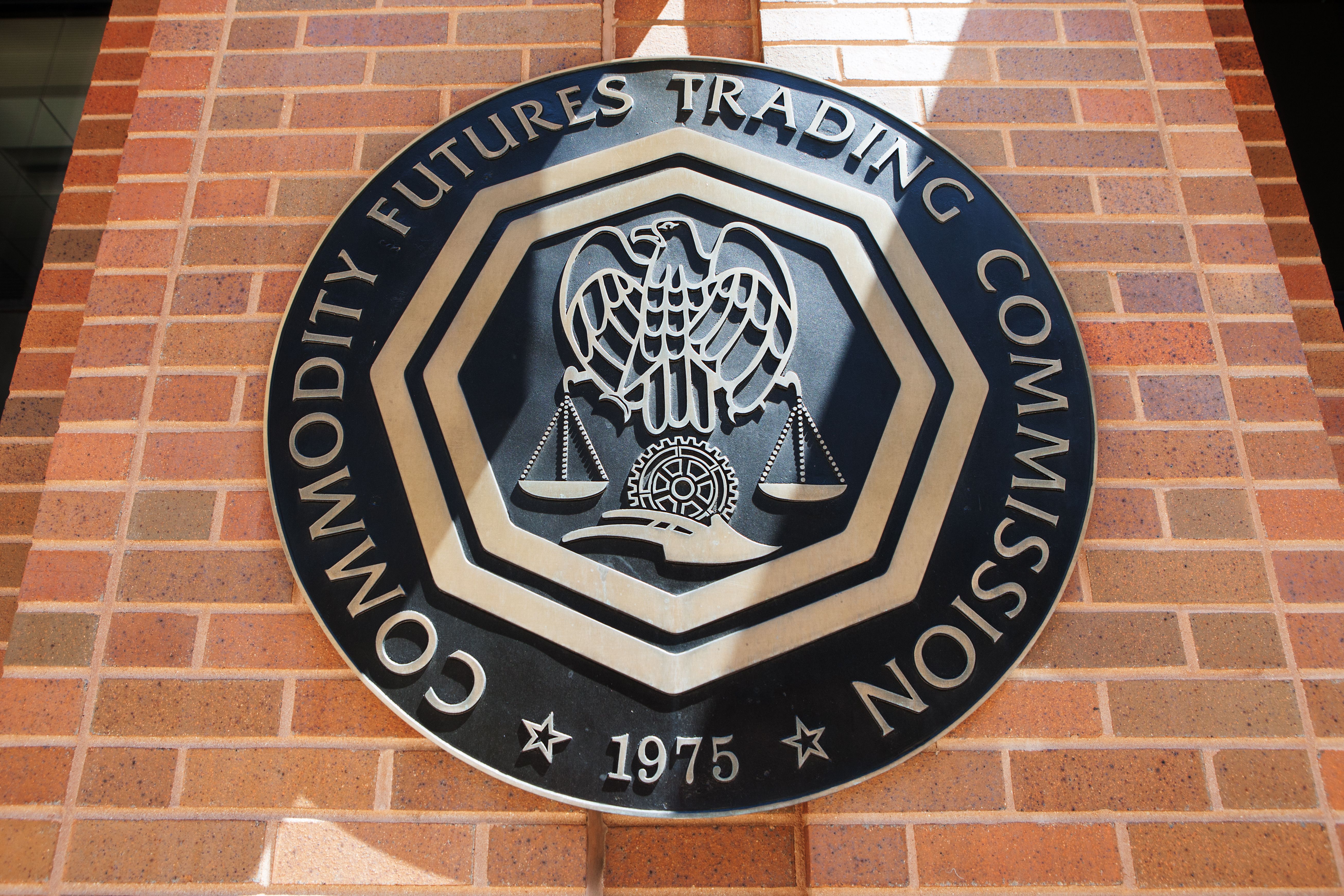





The U.S. Commodity Futures Trading Commission (CFTC) has approved the listing of the first regulated Bitcoin perpetual contract on a registered exchange. This means that one of the most actively traded products in the crypto market is beginning to enter the U.S. domestic regulatory system.
Kalshi launches Bitcoin perpetual tokens
The approved product is Kalshi's BTCPERP contract, pegged to the spot price of Bitcoin. CFTC Chairman Mike Selig stated that this decision fulfills his promises made upon taking office regarding the crypto market. According to him, the regulator is attempting to bring trading activities that have long been confined to offshore platforms under the U.S. compliance framework.
Bitcoin perpetual contracts have consistently been one of the most traded categories in the crypto derivatives market. Previously, these transactions primarily occurred on offshore platforms such as Binance, Bybit, and OKX, with a lack of regulated products in the United States.
With Kalshi's approval, related transactions will be subject to US regulatory standards regarding customer protection, margin requirements, and market integrity. For US traders, this provides a compliant alternative to trading domestically; in terms of market structure, it also demonstrates the US's desire to attract more crypto derivatives trading volume rather than continuing to keep trading overseas.
Coinbase granted conditional exemption
In addition to product approval, the CFTC's Market Participants Division also issued a no-action letter to Coinbase Financial Markets. This letter allows Coinbase, under certain conditions, to use customers' digital assets and payment stablecoins as margin for crypto derivatives trading on its affiliated platform, Deribit.
CFTC officials also confirmed that some crypto perpetual contracts can be classified as foreign futures. This provides a legal pathway for Coinbase to connect its US futures commission brokerage business with Deribit's offshore derivatives platform.
A letter of no action means that, provided the specified conditions are met, the CFTC will not take enforcement action against Coinbase regarding the aforementioned margin arrangements.
The framework for US crypto derivatives takes shape.
Selig links this approval to the broader direction of the U.S. government's crypto policy. He believes that some past regulatory practices viewed innovation as a risk, causing U.S. businesses and transactions to move overseas; the current goal is to bring that business back to the U.S. market.
In conclusion, Kalshi's BTCPERP received approval for listing, and together with the supporting arrangements from Coinbase and Deribit, this constitutes the first regulatory infrastructure in the United States surrounding perpetual contract trading. For the crypto derivatives market, which has long been dominated by offshore platforms, this change may drive more trading, clearing, and margin operations to concentrate in the U.S. compliance system.