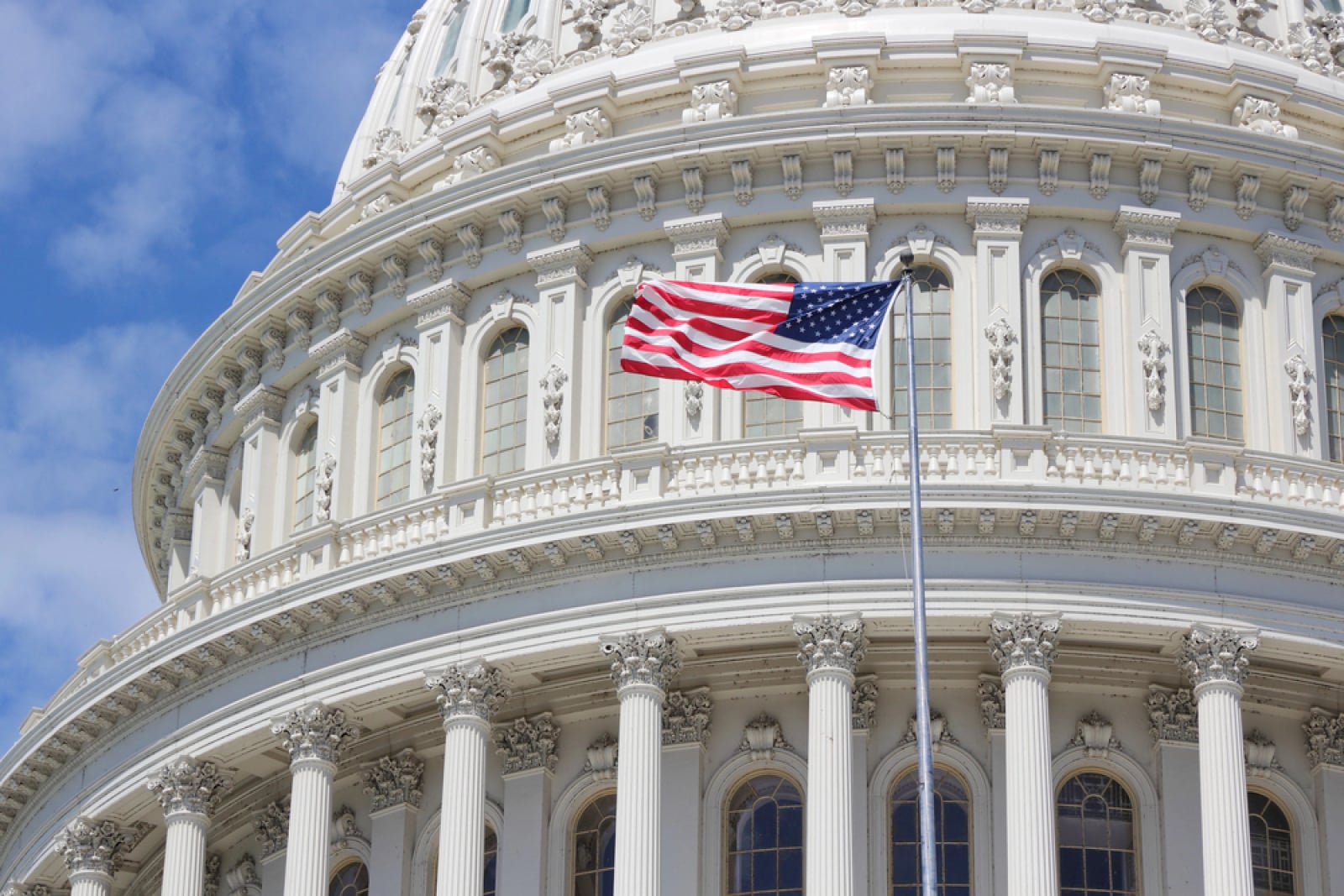
U.S. Securities and Exchange Commission (SEC) Chairman Paul Atkins stated that he believes Congress will pass the Clarity Act, a bill establishing the cryptocurrency market, and that President Trump will sign it. This statement indicates that Washington is still pushing forward with legislation regulating digital assets.
The bill focuses on the division of regulatory responsibilities.
In an interview with Fox Business, Atkins said that if the bill is passed, it will provide the SEC with a clearer legal basis and help the market distinguish which assets are securities and which are digital goods. According to him, the SEC's latest statement is also moving in this direction.
The report mentions that one of the key points of the Clarity Act is to reduce regulatory overlap issues faced by crypto companies in the United States and to avoid conflicting or unclear requirements from the SEC and the Commodity Futures Trading Commission (CFTC) regarding the same business.
Trump's team continues to push
In addition to Atkins, U.S. Treasury Secretary Scott Bessant also urged members of Congress to push forward the market structure bill and submit it to Trump for signature as soon as possible. Trump has repeatedly stated his desire to make the United States a global hub for crypto assets.
The report also stated that the bill has passed the Senate Banking Committee, but further legislative proceedings may still encounter obstacles. Without sufficient bipartisan support, the bill's progress in Congress remains uncertain.
Market Focuses on Policy and Macroeconomic Resonance
Beyond legislative expectations, the crypto market has also recently been influenced by macroeconomic factors. Higher-than-expected inflation data, rising oil prices, and US Treasury yields have all weakened market expectations for interest rate cuts, making policy benefits more prominent.
The original text also mentions that if the Clarity Act faces further obstacles, investor confidence could be further pressured. However, this part is a judgment on market performance, not a result that has already occurred.