U.S. Treasury Secretary Scott Bessant stated that since the outbreak of the conflict this year, the U.S. has seized approximately $1 billion in cryptocurrency assets related to Iran. This statement indicates that U.S. sanctions enforcement against Iran has further extended to the digital asset sector, and the use of Bitcoin and stablecoins in geopolitical conflicts has once again come under scrutiny.
Bessant claims to have taken control of some of the wallets.
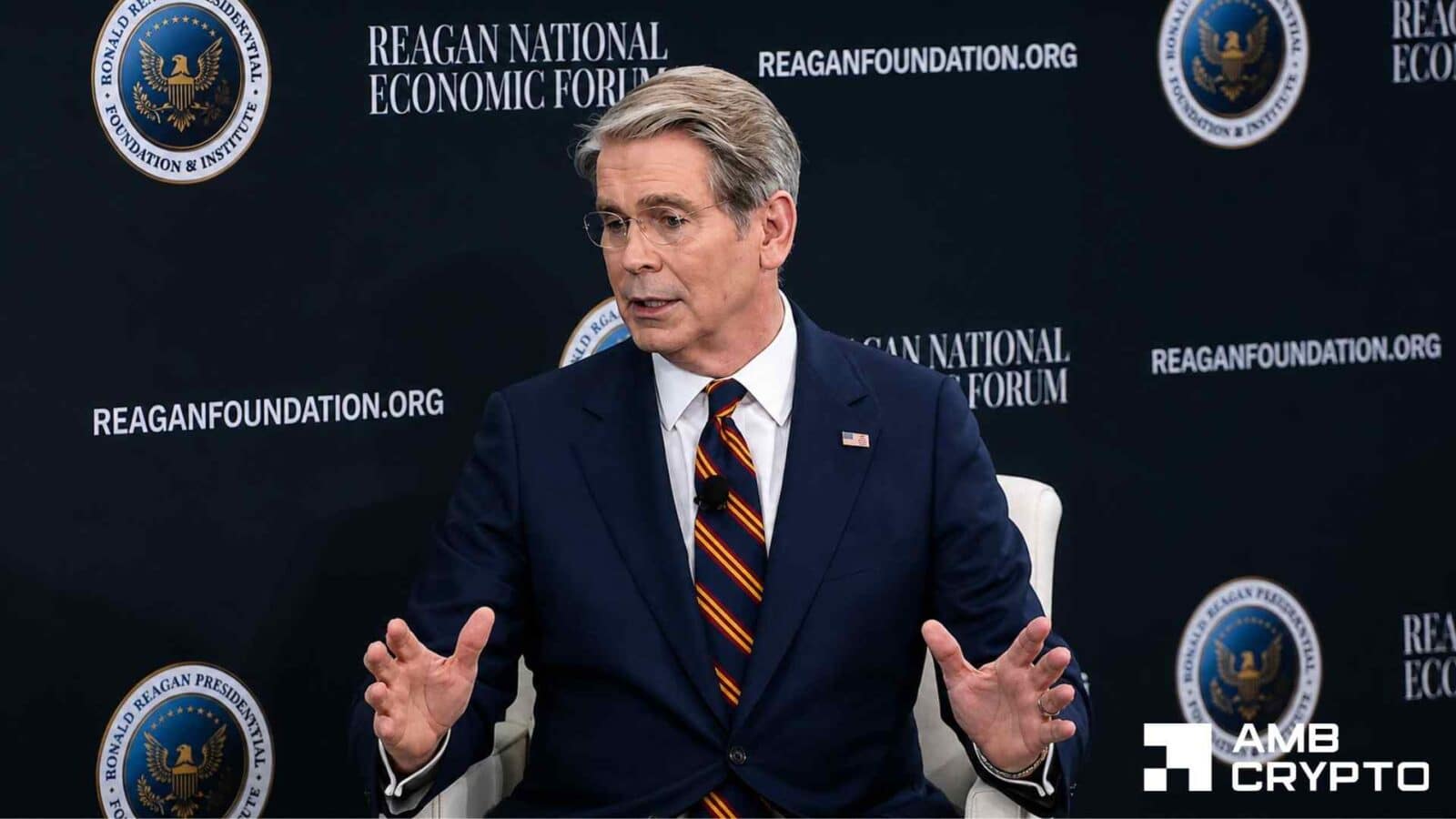
In an interview at the Reagan National Economic Forum in California on May 29, Bessant said that the U.S. "has taken about $1 billion in crypto assets," adding that some holders may not yet realize that their wallets have been taken over.
He did not specify which addresses these assets originated from, nor did he disclose the timing of the enforcement action, the on-chain path, or the currencies involved. His public statements indicate that the US government is including crypto assets in its crackdown on Iranian-related networks.
Bitcoin and USDT were mentioned multiple times.
Multiple media outlets have previously reported that Iranian parties have been accused of using crypto assets in shipping and fund transfers.
The Financial Times reported in April that Iran planned to require oil tankers passing through the Strait of Hormuz to pay their tolls in Bitcoin. The report cited Iranian officials as saying that such payments were "difficult to trace and not easily confiscated due to sanctions." However, Bessant did not directly link the US seizure to this report, nor did he confirm whether the seized assets included Bitcoin.
Reuters reported in April that scammers impersonating Iranian officials were sending fraudulent requests to shipping companies for payments in Bitcoin and USDT (issued by Tether). Israel also alleged last year that the Iranian Islamic Revolutionary Guard Corps received approximately $1.5 billion in USDT.
The Strait of Hormuz remains the focus.
Bessant's statement comes amid escalating tensions between the US and Iran. The Strait of Hormuz handles approximately 20% of global crude oil shipments, and any sanctions, fees, or enforcement actions surrounding this waterway will impact energy markets and cross-border settlement arrangements.
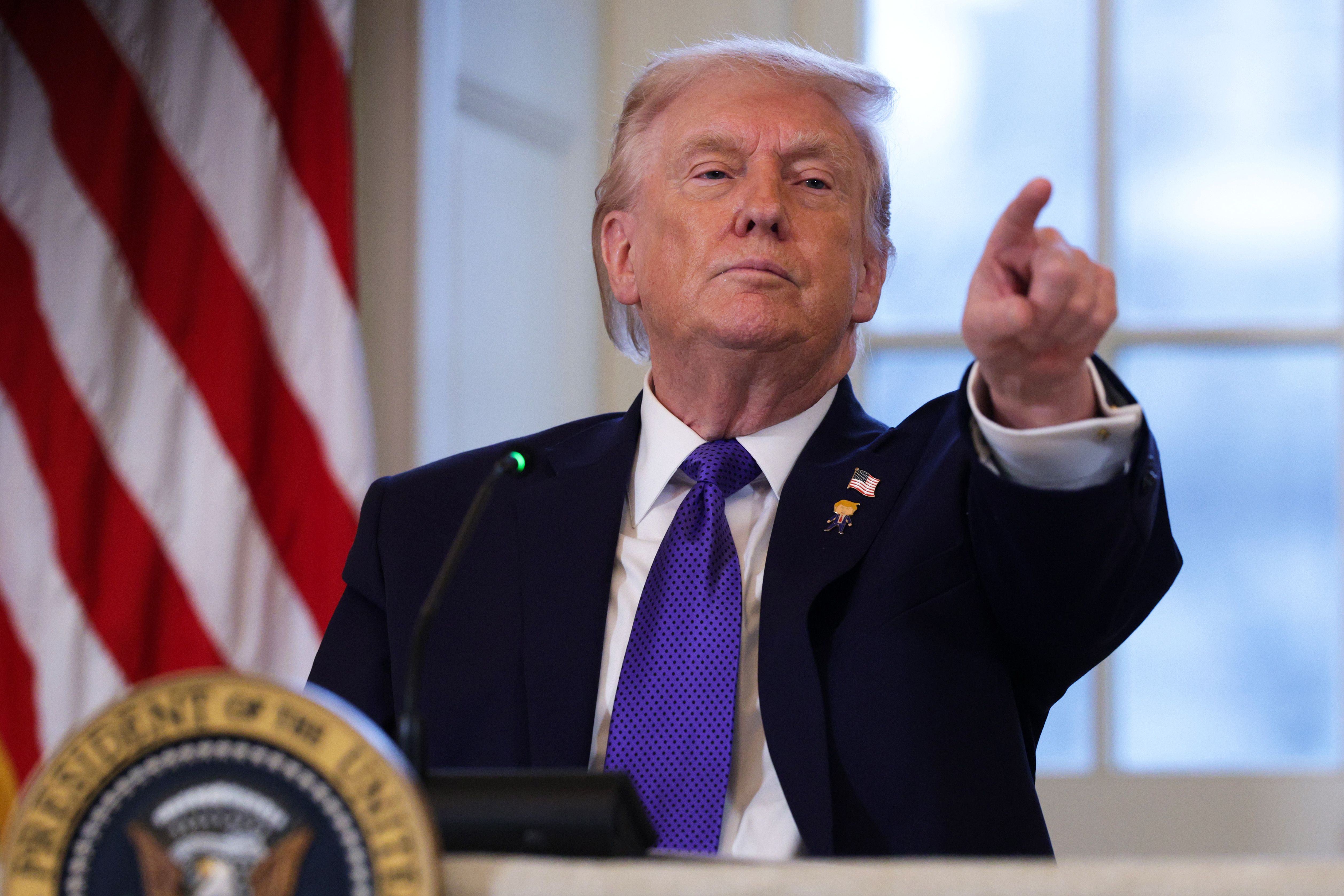
Meanwhile, foreign media reports indicate that US-Iran negotiations are nearing an agreement that could extend the fragile ceasefire, but it still requires approval from US President Trump. If tensions ease, the intensity of law enforcement regarding Iranian financial networks, shipping payments, and the flow of crypto assets will remain a key focus for the market.