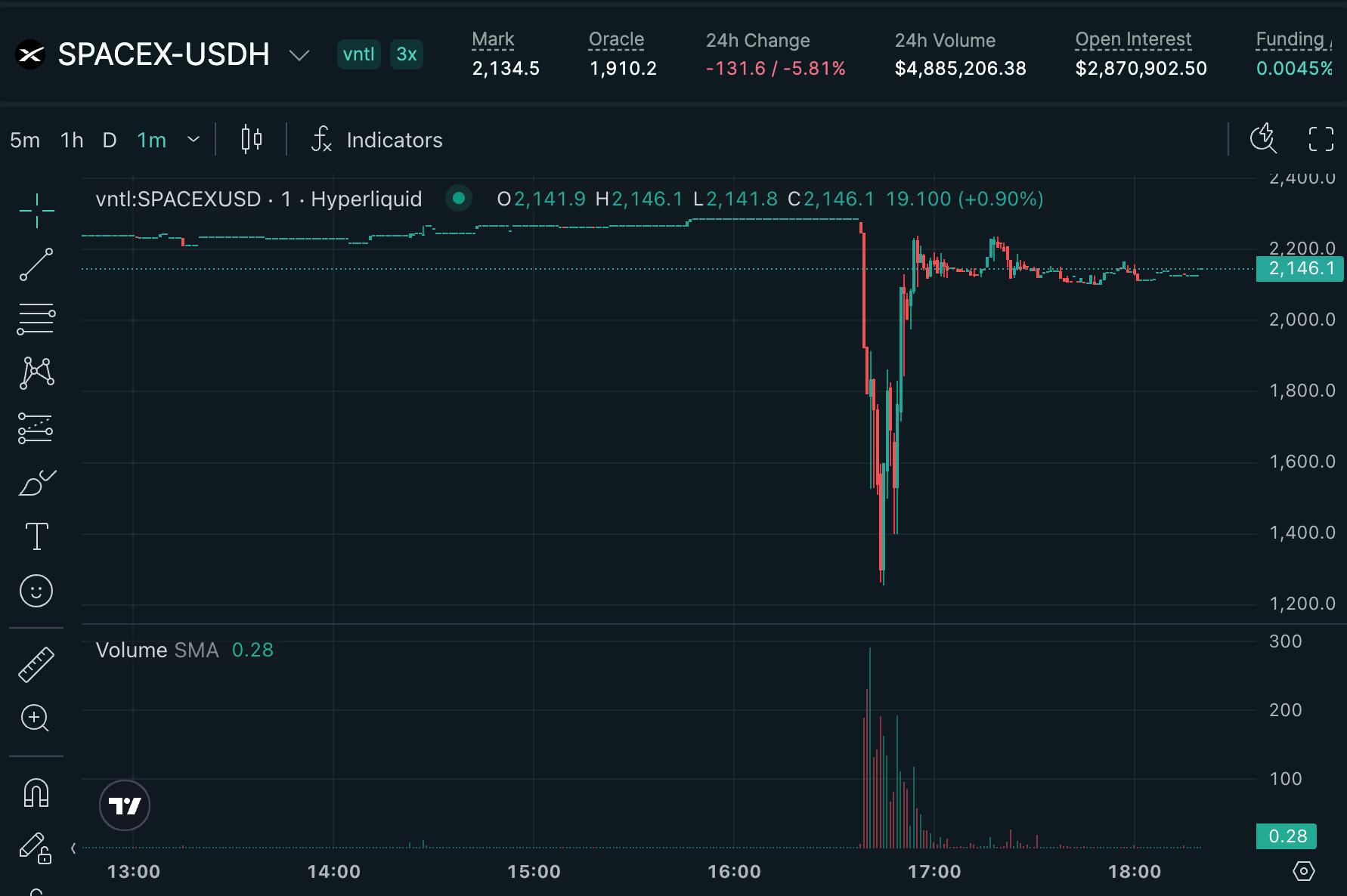
As Bitcoin and Ethereum continue to fluctuate within a range, some institutional funds are shifting to more active alternative trading instruments. Joshua Lim, Head of Markets at FalconX, stated that Hyperliquid has become an important liquidity venue for its clients, with trading activity even exceeding that of Ethereum at certain times.

Major cryptocurrencies see narrowing volatility
Lim stated that macroeconomic uncertainty, ETF outflows, and diversion to other high-risk assets have left Bitcoin and Ethereum without new catalysts in recent months. Implied volatility in options is near historical lows, also reflecting a decline in market expectations for short-term volatility in both cryptocurrencies.
Against this backdrop, speculative funds have begun to flow into more volatile alternative assets. FalconX noted that HYPE, Zcash, and some AI-related tokens have recently been more active, becoming the main targets of fund rotation.
Hedge funds shift to Hyperliquid
Hyperliquid's appeal goes beyond just the HYPE token. Lim stated that hedge funds are increasingly using the platform's derivatives products because it offers trading instruments that are difficult to access in other markets but have relatively high liquidity.
He cited as an example the platform's early introduction of pre-IPO perpetual contracts related to companies like SpaceX. These types of products are not easily traded through traditional channels, thus providing a rare trading opportunity for some institutions on Hyperliquid.
Product line expands to more assets
The report mentions that Hyperliquid is expected to generate approximately $800 million in revenue by 2025, and its product line is gradually expanding from crypto perpetual contracts to tokenized stocks, commodities, and prediction markets.

This shift has led the market to view it as a broader crypto-native trading infrastructure, rather than just a single token project. The report also notes that the platform currently restricts access to US users, and its future expansion depends on the regulatory environment and product development.