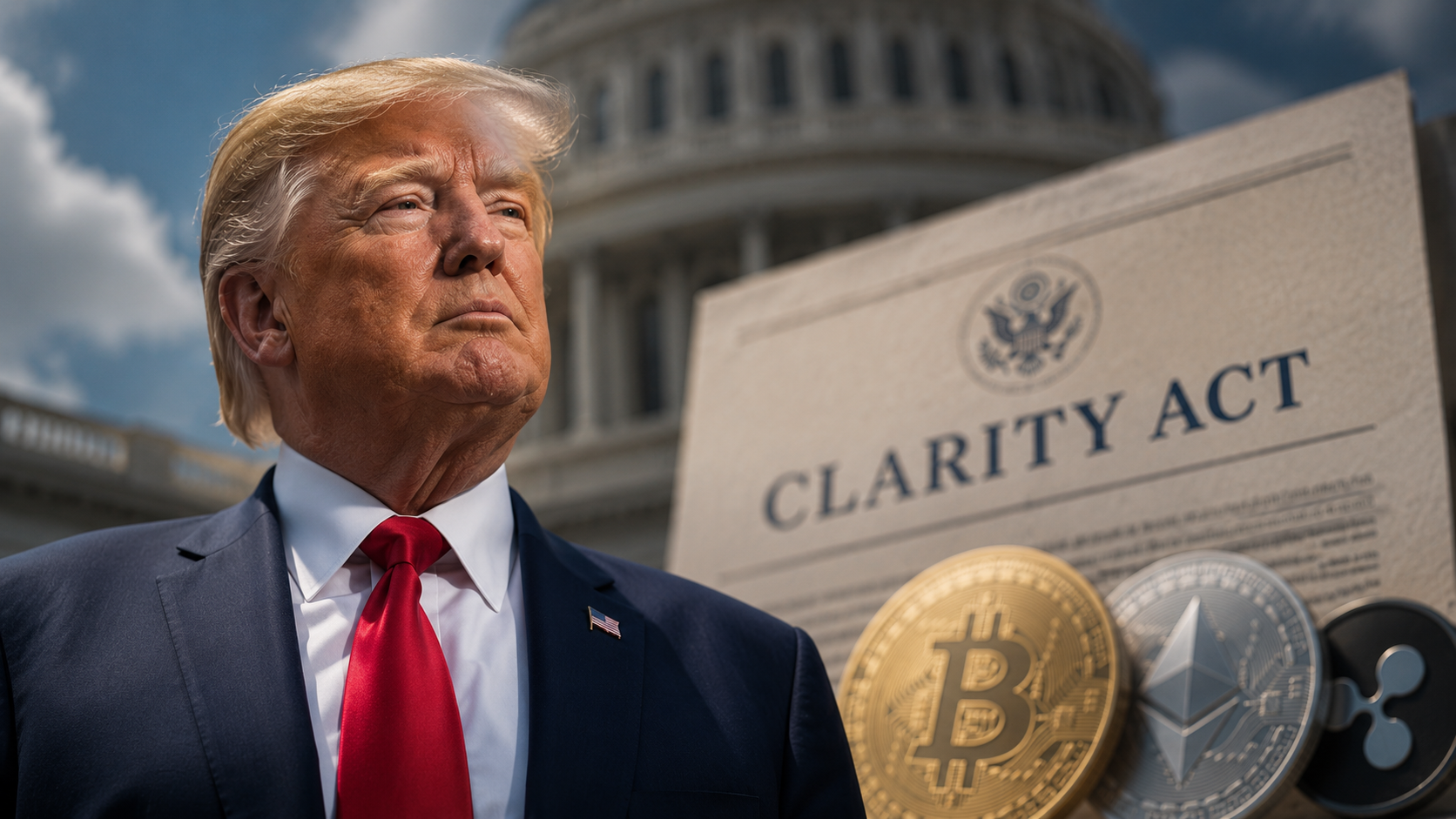
Foreign media commentators believe that the tug-of-war in the US Congress over the CLARITY Act is excluding ordinary consumers from the discussion. The article states that this bill, which was originally expected to establish a clearer regulatory framework for digital assets, has seen its progress slowed again due to the power struggle between the banking industry and fintech platforms.
The controversy centers on how stablecoins are used.
The article mentions that the U.S. Senate Banking Committee recently advanced the "Digital Asset Markets Clarity Act." According to disclosed information, the bill prohibits fintech platforms from using stablecoins as interest-bearing accounts, but still allows them to offer incentives such as rewards and cashback.
Commentators noted that while this compromise had initially cleared some obstacles for the bill to move forward, banking lobbying groups are still demanding further tightening of restrictions, attempting to shrink the scope for consumer rewards. This adds further uncertainty to the bill before it reaches a full Senate vote.
Consumer costs have become a core issue.
The commentary argues that the real problem lies with American consumers themselves. Citing data from the Consumer Financial Protection Bureau, the article states that Americans paid approximately $5.8 billion in overdraft fees in 2023, with these fees primarily concentrated in a small number of vulnerable accounts. Meanwhile, average interest rates on traditional savings accounts remain low.
The author argues that consumers are increasingly focused on faster, lower-cost, and higher-yield financial services, and stablecoins and digital asset instruments are attempting to meet these needs. The article also cites industry data showing that approximately one-fifth of American adults hold crypto assets, and that stablecoin usage is growing rapidly among young people, immigrants, freelancers, and those with limited access to financial services.
ETF tokenization is seen as the next step.
Another commentary in the same column focuses on the integration of crypto and traditional finance. The article argues that the next phase of large-scale growth in the crypto industry may not come from building entirely new financial systems, but rather from upgrading already widely accepted financial products such as ETFs.
The article mentions that F/m Investments LLC and The RBB Fund, Inc. filed an application in January 2026 to register shares of the U.S. 3-month Treasury ETF TBIL on a permissioned blockchain ledger, while retaining the original fund structure, economic interests, exchange listing status, and regulatory framework. This application is still awaiting approval from the U.S. Securities and Exchange Commission.


Commentators argue that the significance of such attempts lies not only in the innovation of individual products, but also in whether the on-chain upgrade of capital markets will occur within the existing regulatory framework. The article predicts that, following the demand for stablecoins to validate digital dollars, the next likely growth category of on-chain assets will be tokenized financial products with real underlying assets and investor protection.