

Author:Wall Street CN
Alarming cracks are emerging in global credit markets. Ed Dowd, an analyst at Phinance Technologies and a Wall Street fund manager, warns that pressure in the private lending sector is spreading rapidly, with several leading institutions imposing redemption restrictions on investors, suggesting a possible turning point in the credit cycle.
Dowd stated that Blue Owl, Apollo, BlackRock, and KKR have all implemented "gating" measures on their respective funds to prevent investor redemptions. He pointed out that high-net-worth individuals, insurance companies, and pension funds have invested millions of dollars in these private credit funds, but now face the predicament of being unable to exit. Dowd characterized this phenomenon as the starting point of a "credit cycle reversal" and warned that this ripple effect will spread to the overall economy.
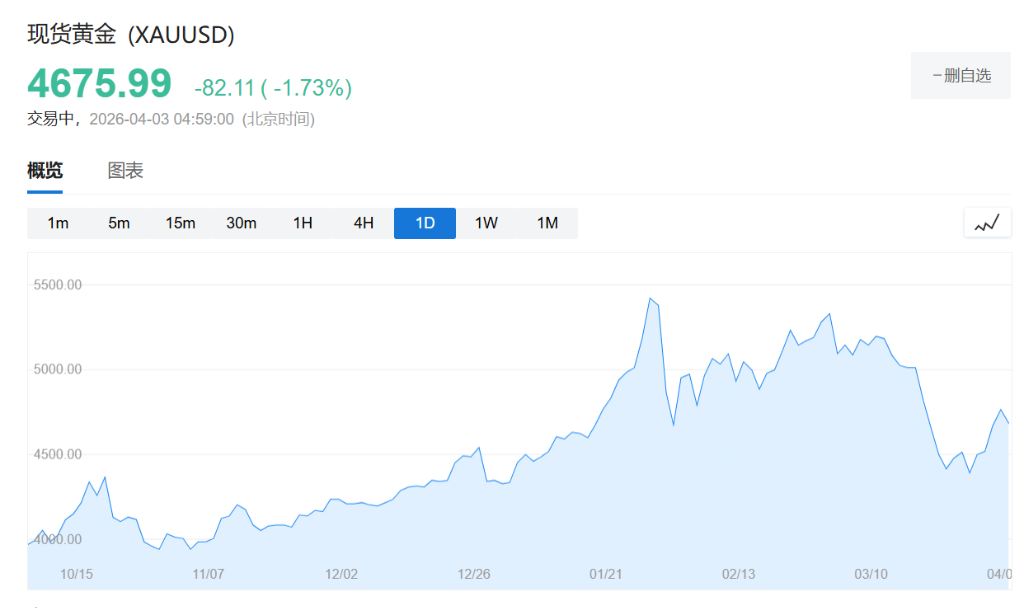
Against this backdrop, Dowd maintains his long-term bullish view on gold, predicting that the price will reach $10,000 per ounce around 2030, and is similarly optimistic about the long-term outlook for silver. In his 2026 economic outlook report, he explicitly advised investors to hold cash, believing that risk assets will continue to be under pressure.
Private Equity Credit "Gate Control" Wave: A Signal of a Turning Point in the Credit Cycle
As early as January of this year, Dowd issued a warning, pointing out that a "credit disruption cycle" had already emerged in the private lending sector. His core concern at the time was that almost all of the loan growth in the economy over the past two years had come from banks lending to private lending institutions, a structural concentration that posed an extremely high risk.
He now believes the situation has clearly worsened. "The number of credit funds setting redemption thresholds continues to increase," Dowd said. "This is a very important sign because investors in these funds—high-net-worth individuals, insurance companies, pension funds—now want to redeem their funds but find the door closed."
He described private lending as "a canary in the coal mine," emphasizing that the problems in this sector existed long before the escalation of geopolitical conflicts, and were not a product of external shocks, but rather an early sign of an endogenous reversal of the credit cycle.
Superimposed geopolitical conflicts: accelerating rather than altering the path of decline
Dowd believes that the escalation of the situation in Iran will only accelerate the negative economic scenario he predicts, rather than fundamentally change its trajectory. "The war in Iran is just adding fuel to the fire of the entire negative global situation," he said.
He pointed out that if the situation can be resolved quickly and the Strait of Hormuz reopens, the market may experience a brief rebound, but this will not change the downward trend of the economic fundamentals. "There will be a temporary relief rebound, but everything I predicted will continue to unfold within the system."
If the conflict remains unresolved, Dowd warns that global demand will suffer substantial damage, thus accelerating what he believes is an inevitable global recession.
Inflation may rise in the short term, but demand destruction will suppress prices in the long term.
Regarding the assessment of the inflation path, Dowd holds a relatively counterintuitive view: although he characterizes the current situation as an "oil price shock," he does not believe that it will evolve into a sustained inflation shock.
"Demand destruction will eventually come," he explained. "Inflation will rise in the short term, but will then fall as all other prices fall, especially the housing component of the CPI."
He pointed out that rents are already declining, while house prices have historically followed rent trends. "Renting is now cheaper than buying, and house prices will fall, which in itself is enough to trigger a recession." He further added that if the bursting of the artificial intelligence bubble is combined with the above factors, the severity of the global recession will deepen further.
Cash is king; gold's long-term target is $10,000.
In light of the aforementioned multiple risks, Dowd adopted a distinctly conservative asset allocation stance in its 2026 economic outlook report.
"I'm currently in a very conservative position," he said. "Our assessment is that risk assets will continue to be under pressure, and cash is king."
Regarding precious metals, Dowd maintains a strong long-term bullish stance on gold, predicting it will reach $10,000 per ounce around 2030, and shares a similarly optimistic outlook for silver in the long term. He also advises investors to stock up on food and drinking water to prepare for potential supply chain disruptions.