Iran’s Hormuz Crypto Toll Claim Faces Verification Gap
Coinpaper
04-06 04:22
Ai Focus
Iran tightens Strait of Hormuz control as reports link tanker passage fees to crypto payments, yuan settlements, and selective transit rules.
Helpful
No.Help

Author:Colorful Smoke and Clouds

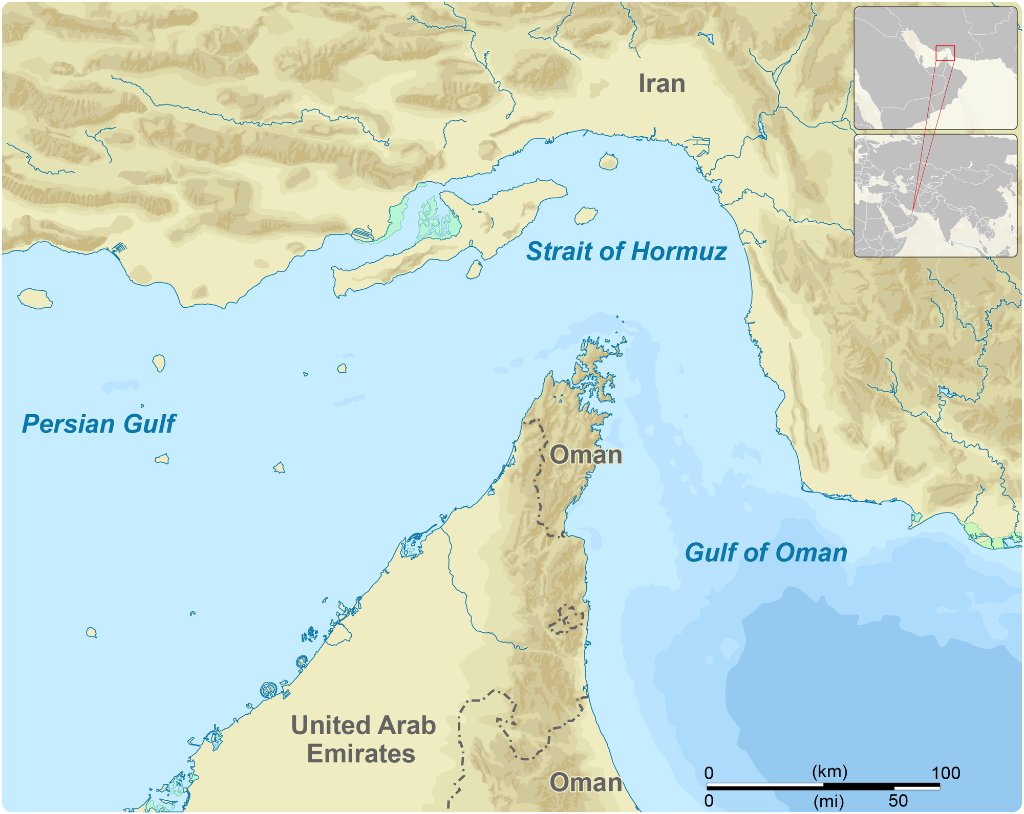
Iran appears to be tightening control over the Strait of Hormuz while reports about ship passage fees grow more specific. Reuters reported this week that Iran has kept a chokehold on the waterway, allowed only limited categories of vessels through, and required ships to coordinate with Iranian authorities before transit. The strait normally handles about 20% of global oil trade, so even partial restrictions matter far beyond the region.

At the same time, TradeWinds reported that Iran is taking payments in cryptocurrency and Chinese yuan for passage and that very large crude carriers are expected to pay about $2 million each. That report also said 18 tankers had already paid. However, I could not independently confirm that 18 ship div through Reuters in the sources reviewed.

That distinction matters. The broader picture, that Iran is exerting direct leverage over Hormuz traffic, is well supported by multiple recent Reuters reports. By contrast, the exact scale of the reported payment system still rests mainly on shipping trade reporting and has not yet been matched in the Reuters coverage reviewed here.

Limited Transit Resumes as Pressure Builds

Reuters said some Japanese, French, and Omani vessels managed to cross the strait after Iran partially reopened passage for ships without U.S. or Israeli links. Some vessels signaled neutral affiliations, while others turned off tracking systems during transit. That points to a selective system rather than a normal reopening of maritime traffic.

Reuters also reported that Iran has exempted Iraq from some Hormuz restrictions and separately allowed vessels carrying essential goods to access Iranian ports under specific procedures. Those moves suggest Tehran is using the strait as a controlled pressure point, not shutting it in a uniform way for all shipping.

Meanwhile, Reuters Breakingviews said a $2 million toll is financially plausible in a scenario where Iran monetizes passage through Hormuz. Still, that commentary framed the number as a credible revenue model, not as direct confirmation that every affected ship is already paying it. For now, the safest reading is this: Iran’s restrictive regime in Hormuz is confirmed, but the crypto payment details and the reported 18 tanker count still need broader independent confirmation.

Tip
$0
Like
0
Save
0
Views 240
CoinMeta reminds readers to view blockchain rationally, stay aware of risks, and beware of virtual token issuance and speculation. All content on this site represents market information or related viewpoints only and does not constitute any form of investment advice. If you find sensitive content, please click“Report”,and we will handle it promptly。
Submit
Comment 0
Hot
Latest
No comments yet. Be the first!
Related
The tougher Trump's attacks, the tougher Iran becomes: Hormuz is pushed to the center of the negotiating table!
The US-Israeli assassinations of high-ranking Iranian officials failed to produce the "moderate" leadership Trump had hoped for. Instead, the US adopted a more hardline stance, placing control of the Strait of Hormuz and war reparations on the negotiating table. Trump threatened to strike all of Iran's power plants simultaneously if no agreement was reached within two or three weeks, but many regional and Western officials are pessimistic about the prospects for negotiations.
Wall Street CN
·2026-04-04 20:17:36
249
Iran and Oman held vice-ministerial talks to discuss "various options to ensure the smooth passage of ships through the Strait of Hormuz".
According to a disclosure by the Omani Ministry of Foreign Affairs on Sunday, April 5, Iran and Oman held vice-ministerial level talks to discuss various possible solutions to ensure the smooth passage of ships through the Strait of Hormuz. A team of experts also attended the meeting and submitted specific recommendations. Data from Lloyd’s List shows that on Sunday, three Omani vessels sailed outside the “permitted corridor” designated by Iran, passing close to the Omani coastline through the strait.
Wall Street CN
·2026-04-06 12:06:29
667
The Israeli military claims that its airstrikes on Iran's largest petrochemical facility severely damaged more than 85% of Iran's petrochemical export capacity.
The Israeli military claims that the Al-Salouya complex, Iran's largest petrochemical complex, contains key infrastructure for the production of materials such as explosives and ballistic missile propellants, making it a vital raw material supply hub for Iran's missile industry; and that it will continue to intensify its attacks on Iran's core weapons production infrastructure.
Wall Street CN
·2026-04-07 04:30:54
957
Hormuz Blockade Sends Japan's 10-Year Bond Yield to 25-Year High
Bitcoin
·2026-04-05 00:55:38
500
X has a killer app for crypto scams: the first tweet announcing a coin will be automatically locked, requiring identity verification to unlock.
Automatically locking the first encrypted post is just one part of X's anti-fraud strategy.
TechFlow
·2026-04-03 15:55:34
646