

Author:Wall Street CN
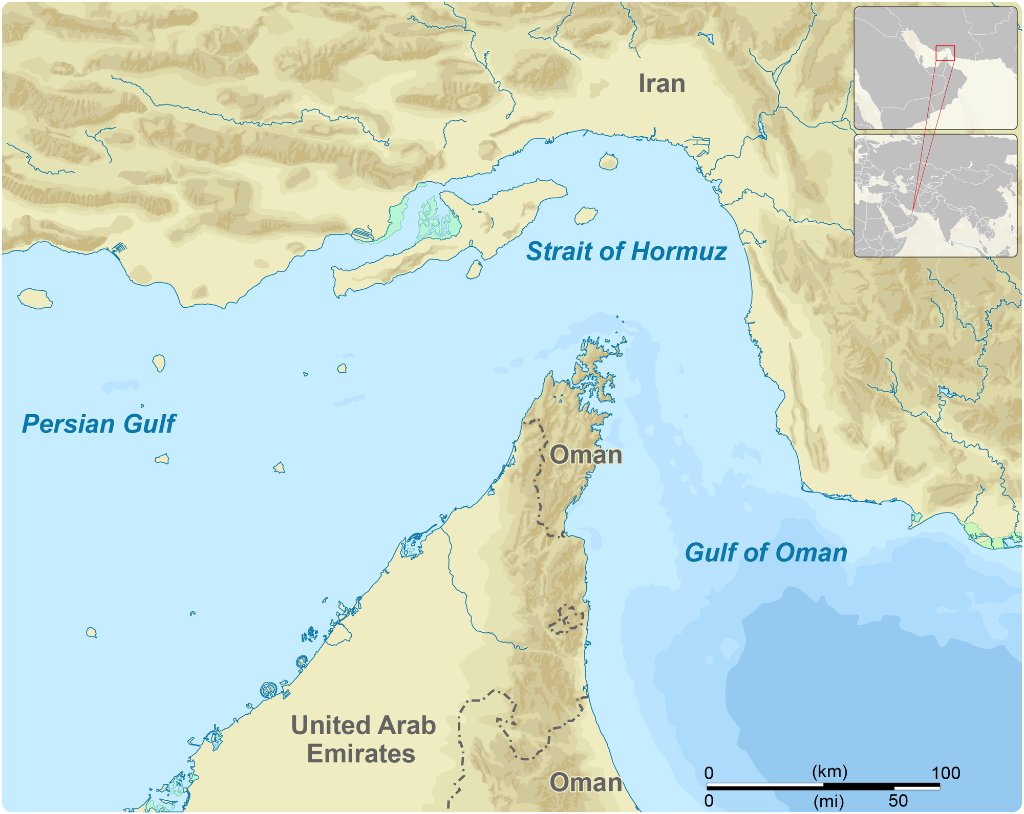
Iran and Oman have begun diplomatic negotiations over the Strait of Hormuz, marking the initial signs of diplomatic contact in the crisis of blocking a key choke point in the global energy market.
According to a disclosure by the Omani Ministry of Foreign Affairs on Sunday, April 5, the two sides held a deputy ministerial meeting to discuss various possible solutions to ensure the smooth passage of ships through the Strait of Hormuz. A team of experts also attended the meeting and submitted specific recommendations.
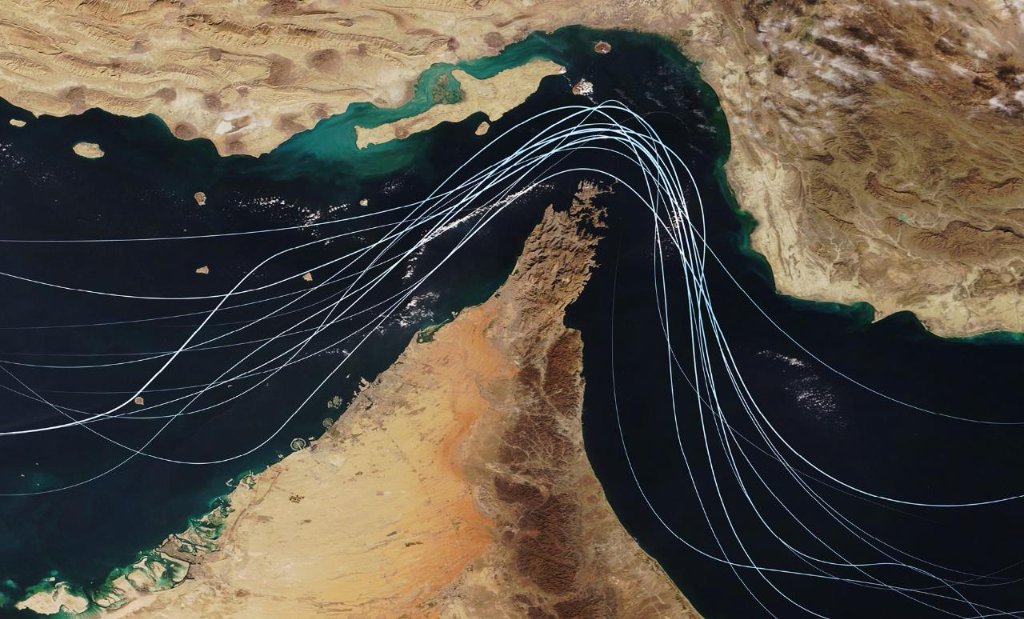
Meanwhile, data from Lloyd’s List shows that on Sunday, three Omani vessels sailed outside the “permitted corridor” designated by Iran, passing close to the Omani coastline through the strait, a rare sight since the crisis began.
The Strait of Hormuz is effectively closed, and the obstruction has triggered severe volatility in the energy market, forcing oil and gas importers to seek alternative supply routes. US President Trump took a strong stance on social media over the weekend, warning of drastic action if the strait is not reopened by Monday.
Oman mediated the talks, and the two sides launched deputy ministerial-level consultations.
According to a post on the X platform by the Omani Ministry of Foreign Affairs on Sunday, the talks were held on Saturday at the level of "Deputy Ministers (Secretaries) of the Foreign Affairs Departments of the two countries," and were attended by professionals from both sides.
The Omani Ministry of Foreign Affairs stated that the meeting focused on "various possible solutions to ensure smooth passage through the Strait of Hormuz under the current regional situation," and experts from both sides put forward several ideas and suggestions, which will be further studied later.
Prior to this meeting, an Iranian official stated last Thursday that Iran was drafting a proposal with Oman to regulate traffic in the Straits of Hormuz, indicating that the two countries had made some progress in their discussions on the issue.
Some vessels were granted passage, but over 3,000 remain stranded.
The Strait of Hormuz crisis stemmed from the US-Israeli military action against Iran that began on February 28. Subsequently, the Iranian Islamic Revolutionary Guard Corps (IRGC) imposed strict control over the strait as a countermeasure.
To date, some vessels linked to Pakistan, France, and Türkiye have been granted passage, but approximately 3,000 other vessels remain stranded and unable to pass through this crucial node in global energy transport.
According to data tracked by Lloyd's List, three Omani vessels were transiting the Strait of Hormuz on Sunday, including two large supertankers and a liquefied natural gas (LNG) carrier, sailing outside the "permitted corridor" near Larak Island, which is designated by Iran, and sailing unusually close to the Omani coastline.
Diplomatic efforts are being pursued on multiple fronts, but room for negotiation remains limited.
In addition to Oman's mediation efforts, regional diplomatic efforts are also progressing simultaneously along multiple lines.
According to a statement released by the Egyptian Foreign Ministry on Sunday, Egyptian Foreign Minister Badr Abdelatty spoke separately with US Special Envoy Steve Witkoff and regional counterparts, including Iranian Foreign Minister Abbas Araghchi, to exchange views on regional de-escalation plans.
However, analysts are cautious about the prospects for a diplomatic solution. Amin Saikal, an emeritus professor at the Australian National University, told Al Jazeera that if the conflict escalates further, "it would be a nightmare for the entire region," and a solution must be reached through some form of negotiation.
Saikal also pointed out that "the door to a diplomatic solution is extremely narrow at present, unless President Trump judges that the conflict has caused enough trouble at home and abroad, and it is time to seek a compromise with Iran."