

Author:Wall Street CN
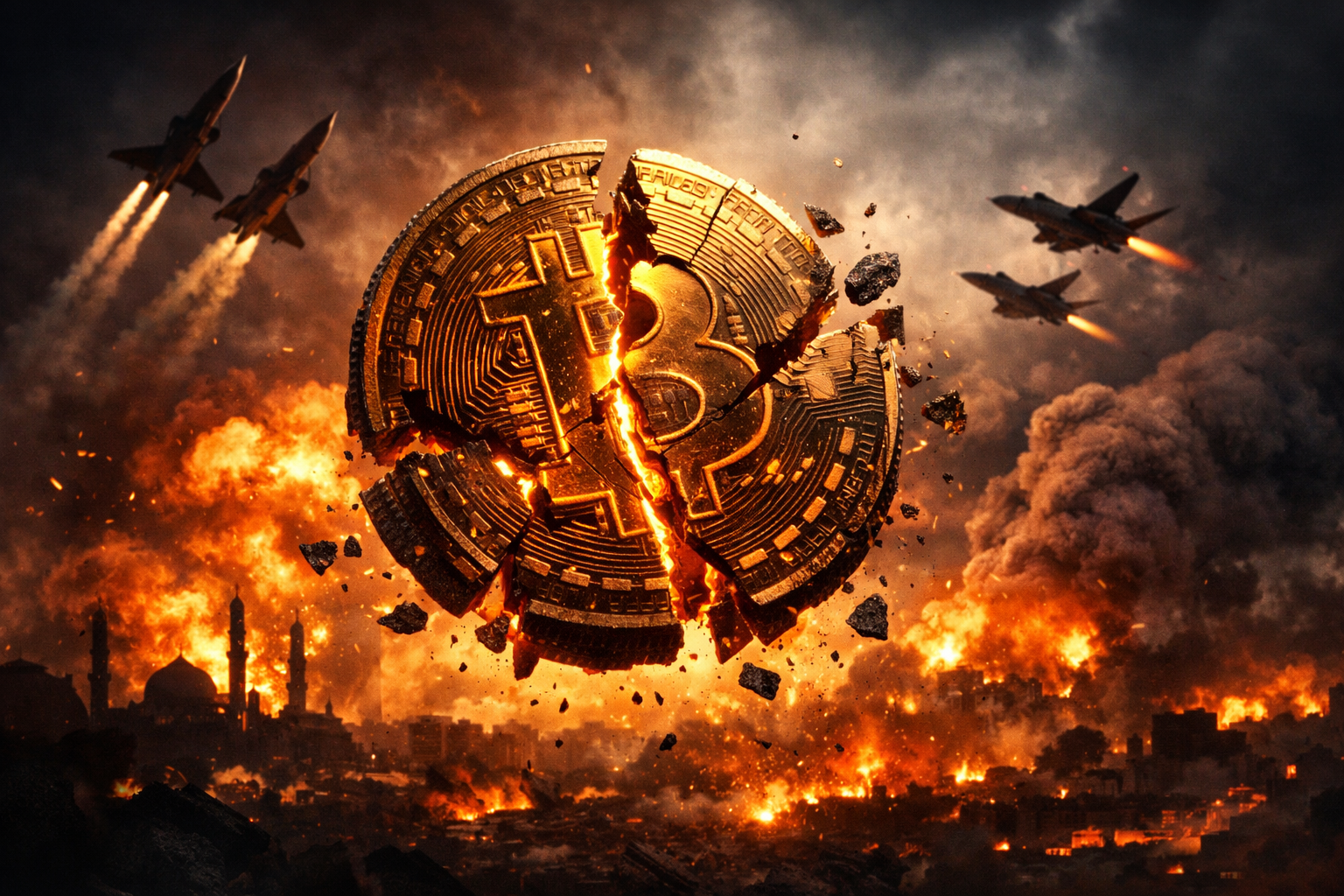
In his annual shareholder letter, JPMorgan Chase CEO Jamie Dimon warned that the oil and commodity price shocks triggered by the war with Iran could lead to sustained high inflation, which in turn would push up interest rates and depress asset prices.
According to The Wall Street Journal, Dimon listed a rebound in inflation as one of the most significant economic risks that should not be ignored in his shareholder letter this year, pointing directly to "the skunk at the party—possibly in 2026—is slowly rising inflation." He warned that this scenario alone could trigger rising interest rates and falling asset prices.
Dimon also explicitly stated that the threat posed by the Iranian regime's long-standing support for terrorism and its resulting large number of casualties "must be addressed appropriately." In his view, the ultimate outcome of the war between Ukraine and Iran is even more important than the financial and economic impact of the conflict itself.
Oil price shocks are the core risk.
In his letter, Dimon pointed out that oil and commodity prices face the risk of further shocks in the coming months, which could trigger persistent inflation and ultimately push interest rates higher. He cited historical lessons, stating that the rapid rise in oil prices was a major contributing factor to several severe economic recessions in the 1970s and 1980s, although he also acknowledged that the United States is now more resilient to such shocks than it was back then.
Against this backdrop, the financial markets' high sensitivity to interest rate trends has made Dimon's assessment highly anticipated. At 70 years old, he has led JPMorgan Chase for over two decades, and his annual shareholder letters have long been regarded by the market as an important window into the trends of the US financial and economic landscape.
The private lending market is accused of accumulating risks.
Regarding risks within the financial system, Dimon expressed clear concerns about the private lending market.
He predicted that once the economy declines, most high-risk credit products will be hit harder than the market expects, because the underwriting standards of many lending institutions have deteriorated significantly.
He also criticized the trend of private credit funds selling products to retail clients, arguing that the sector currently lacks sufficient transparency and proper regulatory standards.
"Not all credit providers are good at this," he wrote. "Many players are latecomers, and some credit providers will predictably underperform their peers."
The slow pace of private equity IPOs has drawn criticism.
In his letter, Dimon also questioned the progress of IPOs in the private equity industry.
He pointed out that it was quite surprising that the private equity firm, which holds nearly 13,000 companies, had not taken more initiative to leverage the favorable market environment to promote the listing of its portfolio companies, given that the stock market has been at historically high levels in recent months.
"If we really do enter a prolonged bear market, it's hard to imagine what will happen then," he warned.
Support deregulation, avoid the topic of Trump's lawsuit.
In terms of policy stance, Dimon expressed support for the Trump administration's deregulation efforts, stating that JPMorgan Chase plans to assist the White House in achieving broader policy goals by supporting industries vital to U.S. military and economic security.
It is worth noting that this year's shareholder letter made no mention of Trump's lawsuit against JPMorgan Chase and Dimon himself—the lawsuit stemming from JPMorgan Chase's closure of Trump's bank accounts following the Capitol Hill riots on January 6, 2021.
In addition, Dimon made a series of suggestions on issues such as EU reform and improvement of public education in the United States, and criticized the high tax policies of cities such as New York, warning that no city has the "natural right to success".