

Author:On chain believers
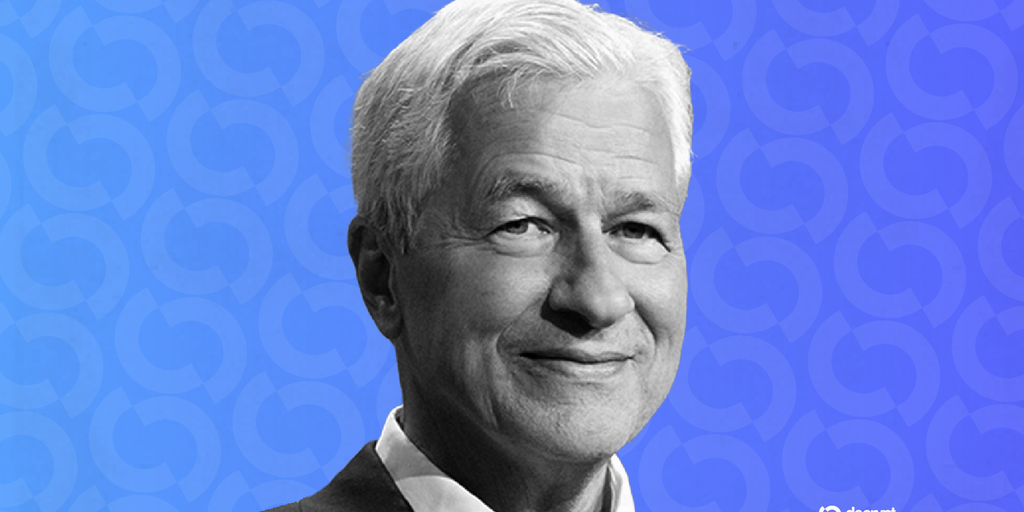
JPMorgan Chase chief executive Jamie Dimon warns that the war in Iran could lead to sticker inflation and higher interest rates.
In a new letter to shareholders, Dimon says the war could reshape global supply chains, with disruptions in energy, commodity products, shipbuilding and farming already materializing due to the conflicts in Iran and Ukraine.
Dimon notes that recessions are caused by a “bad confluence of events” that spur credit losses, volatile markets, lower asset prices and higher unemployment.
The CEO argues that the variable factor is inflation.
“There are some scenarios that would result in a recession, which generally reduces inflation, and other scenarios that would lead to a recession with inflation (stagflation — where inflationary forces overcome deflationary ones). The skunk at the party — and it could happen in 2026 — would be inflation slowly going up, as opposed to slowly going down. This alone could cause interest rates to rise and asset prices to drop. Interest rates are like gravity to almost all asset prices. And falling asset prices at one point can change sentiment rapidly and cause a flight to cash.”
Dimon also warns about “significantly elevated” global sovereign deficits and debt, noting that the current forecast from the Congressional Budget Office has the US’s debt-to-GDP ratio surging from 100% today to 120% in 2036.
“High and increasing government debt will eventually have to be dealt with — the right way would be to deal with it now before it becomes a problem; the wrong way would be to let it become a crisis, which, in my opinion, is probably the likely outcome. Importantly, almost 60% of government spending is for entitlements and is not discretionary. This makes the job that much harder. A crucial note on the importance of growth: If interest rates went down 100 basis points and GDP grew at 3%, the debt-to-GDP ratio could actually start to go down instead of going up.”