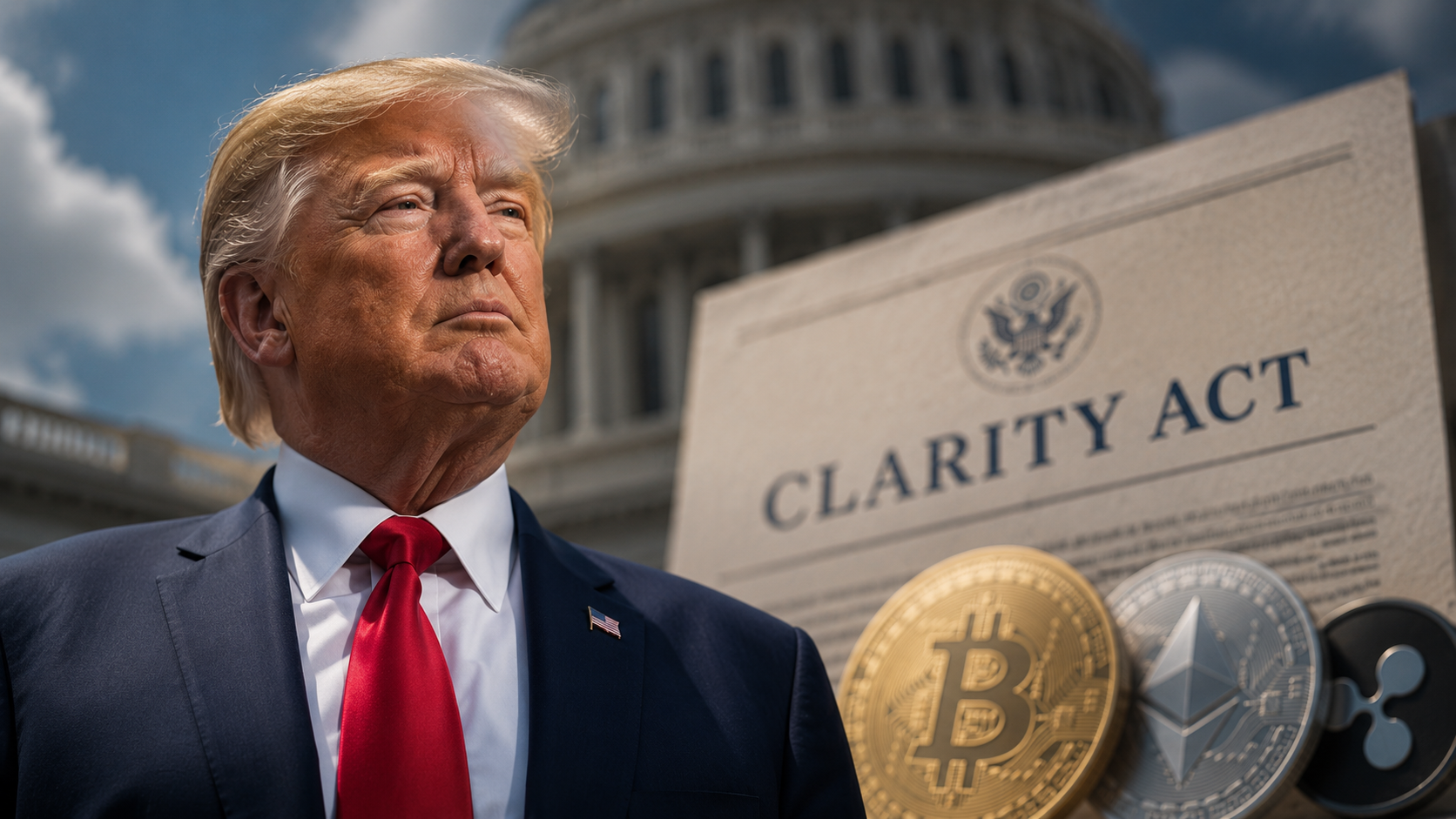












Trump publicly supported prediction market platforms such as Kalshi and Polymarket, stating that the United States needs to maintain its leading position in the crypto industry. Meanwhile, several U.S. states are restricting these businesses through legislation, lawsuits, and executive orders, while federal regulatory and enforcement agencies have filed numerous lawsuits in an attempt to maintain jurisdiction.
Multiple states have taken steps to restrict platforms.
At the heart of this controversy lies the question of whether prediction markets should be considered federally regulated financial contracts or treated under state gambling and consumer protection laws.

In Minnesota, Governor Tim Walz signed a law explicitly banning event trading, originally scheduled to take effect on August 1. Hours later, the U.S. Commodity Futures Trading Commission and the Department of Justice filed a lawsuit, arguing that the state government's move violated federal jurisdiction.
New York Attorney General Letitia James also filed two lawsuits against the platform, accusing it of violating state gambling laws and consumer protection laws. Subsequently, the CFTC filed a countersuit, citing its federal jurisdiction over financial swaps.
Illinois Governor J.B. Pritzker issued stop-loss orders to these platforms, citing allegations of market manipulation. The CFTC subsequently filed a lawsuit in federal court seeking to overturn the restrictions.
Federal agencies vie for regulatory dominance
In addition to the states mentioned above, the CFTC has also taken legal action against the attorneys general of Arizona, Connecticut, and Wisconsin to prevent them from shutting down prediction market platforms. The report also notes that at least 15 other states have proposed legislation to regulate or ban such platforms.
The reasons given by the states were largely similar, including risks of insider trading and issues related to minors using the products. Federal agencies, however, emphasized that if such products are classified as financial derivative contracts, they should be subject to unified federal regulation, rather than being handled separately by each state.
Trump's statement raises questions about conflict of interest.
In his public statements, Trump criticized several state officials for pushing for a crackdown on prediction markets and linked the issue to the U.S. struggle for dominance in the crypto industry. This further politicized the prediction market dispute.
However, criticism surrounding this statement is also intensifying. Ethics watchdogs point out that Trump's eldest son, Donald Trump Jr., currently serves as an advisor to Kalshi and Polymarket, and the Trump family has also announced plans to launch its own prediction market platform, tentatively named Truth Predict.
Amid the ongoing clashes between state and federal regulations, the future compliance path for prediction market platforms in the United States is increasingly dependent on the courts' determination of jurisdictional boundaries.