Titan Network disclosed that its decentralized cloud computing service provider's crowdsourced AI computing network has connected 4 million devices globally, with approximately 1 million remaining online at any given time. The company stated that Tencent, Alibaba, and the AI video platform Kling AI have become its clients.

Aggregating computing power for idle equipment
Titan's approach involves pooling idle computing power and bandwidth from personal computers and connected devices, packaging it into a decentralized cloud service, and providing it to AI companies for tasks such as web scraping, data collection, and content distribution. The company claims that the infrastructure costs for this type of service can be up to 75% lower than traditional centralized cloud services.
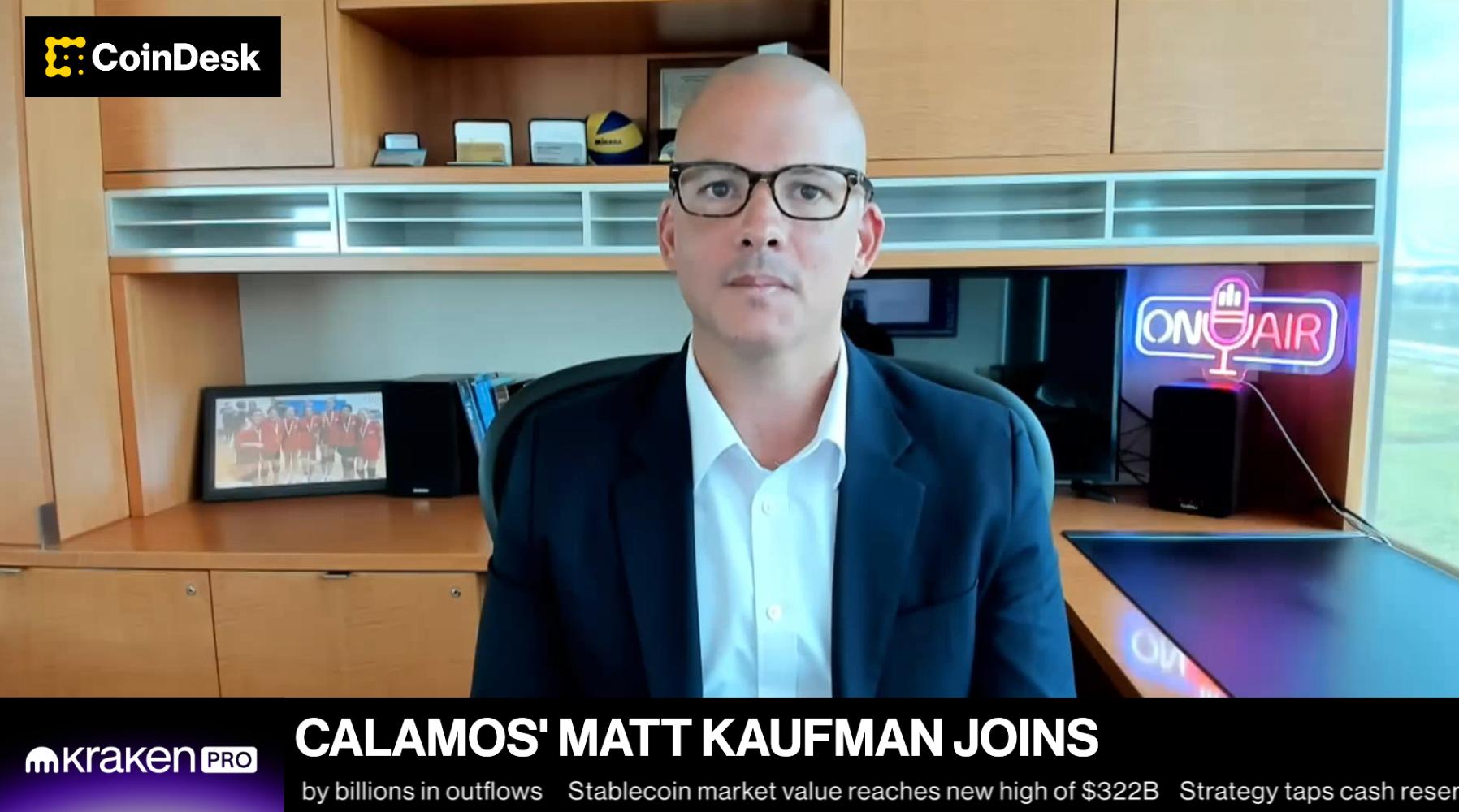
At the Proof of Talk conference in Paris, Titan co-founder and chief strategy officer Konstantin Tkachuk stated that two of the world's top ten AI companies are already using its products and have achieved approximately 75% savings in infrastructure costs.
Income distribution targets individual users
Unlike some DePIN projects that primarily connect to institutional server resources, Titan focuses on individual users. Users can download browser plugins or dedicated software to connect their devices and network bandwidth to the platform and participate in enterprise data tasks.
The company stated that 80% of the revenue paid by enterprises for these tasks is directly distributed to individual users who provide the equipment and bandwidth. Titan also indicated that its business has captured approximately 5% of the Asian AI data market.
AI infrastructure costs drive new models
As the demand for computing power, electricity, and data centers continues to rise for AI training and inference, companies are seeking lower-cost infrastructure solutions. The article mentions that some Bitcoin mining companies are also shifting towards meeting AI computing power needs; on the same day, Alphabet also announced plans to raise $80 billion for AI infrastructure investment.
Against this backdrop, Titan is attempting to transform the idle resources of home devices into marketable infrastructure capabilities and attract enterprise customers at lower prices. The company's currently disclosed data and customer list indicate that this decentralized computing power model for personal devices is trying to scale up commercialization.

Additional information:Titan's statements mainly come from the company itself, and the article does not disclose the scale of cooperation, contract amount, or specific service period of clients such as Tencent and Alibaba.