

Author:Wall Street CN
The US-Israeli assassination operation has not softened Iran's stance; instead, it has created an even tougher adversary—control of the Strait of Hormuz, which has now been pushed to the center of the negotiating table.
According to a Washington Post report on April 3, a series of assassinations of high-ranking Iranian officials by the United States and Israel, including the deaths of Supreme Leader Khamenei and other key figures, have failed to bring about the leadership Trump hoped for. Several regional and Western officials have stated that...The current Iranian regime has become even more hardline, pushing the US and Iran further away from an agreement.
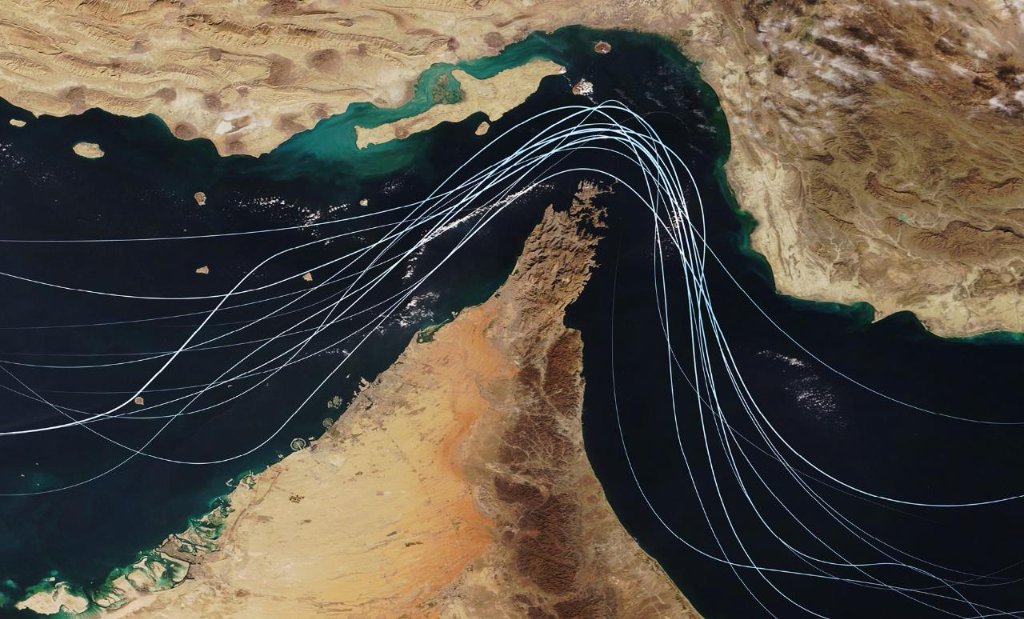
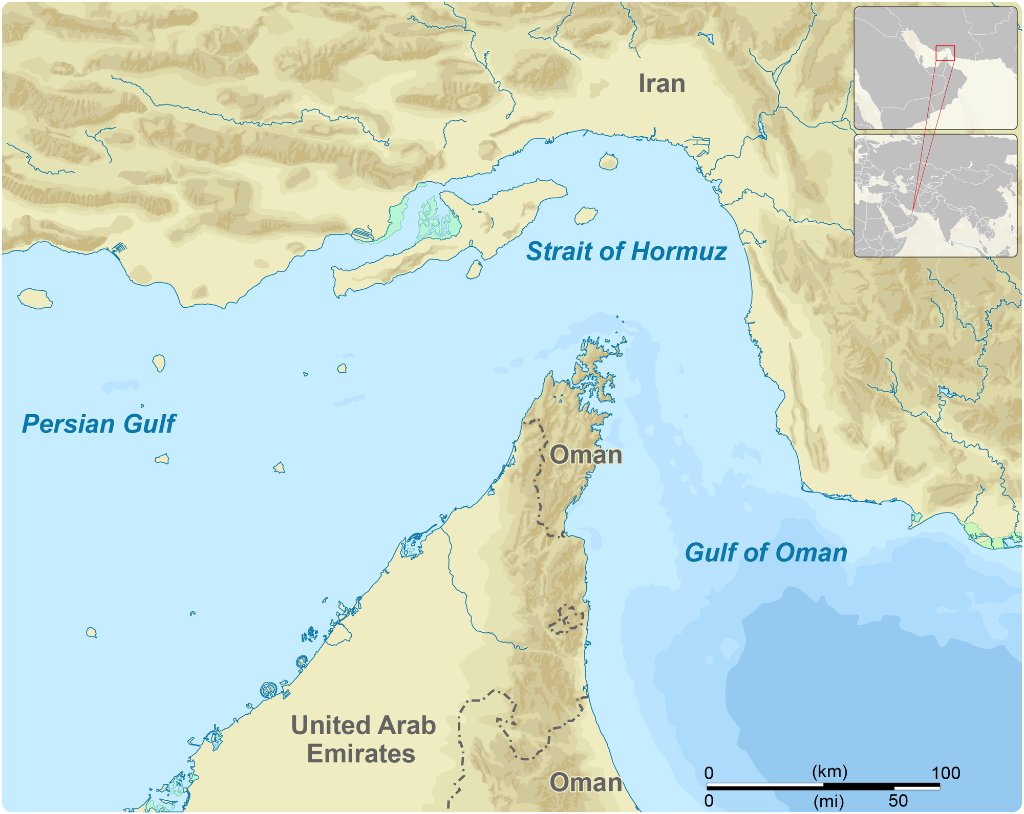
Iran's publicly proposed ceasefire conditions include:War reparations, and formal control of the Strait of Hormuz—including the right to collect tolls from passing ships.
A European official involved in diplomatic mediation stated bluntly: "They have shown the Gulf states how vulnerable they are, and how fragile the global economy is. So the price has gone up."The Strait of Hormuz has never been a topic of discussion in any negotiations, but now it seems to be right at the center of the table.
According to a CCTV News report on March 31, the Iranian Parliament's National Security Committee has passed a bill to impose tolls on vessels passing through the Strait of Hormuz. The bill specifies that the tolls will be charged in the Iranian rial, but details regarding the financial arrangements and toll system are still pending further clarification.
Trump: If there's no agreement in two or three weeks, I'll attack the power plants.
Faced with the stalemate, according to
"If no agreement is reached within this timeframe, we have already set our sights on key targets,"Trump said, "If there is no deal, we will hit every single one of their power plants very hard, and most likely all at once." He also threatened to strike Iran's oil infrastructure.
However, several regional officials said that even if Israel continues its assassination campaign against senior Iranian officials, the chances of a breakthrough in negotiations in the coming weeks remain slim.
The Trump administration's logic was that continued assassinations could force Iran to compromise. A former Trump administration official who served in the early stages of the conflict told The Washington Post, "If the Iranians aren't flexible enough, you can keep killing until you find someone willing to negotiate. When you put more pressure on them, the Iranians seem more responsive."
The former official admitted that there was only a "sliver of hope" that the assassination would ultimately produce someone willing to engage with Trump. However, he believed that this strategy would at least create suspicion and infighting within Iran's upper echelons, thereby weakening the regime. "It's actually killing two birds with one stone—either finding someone willing to negotiate, or creating more turmoil, causing internal divisions, and further weakening the regime."
Iran strongly refuted this. An Iranian diplomat stated that this practice exposes a profound misunderstanding of Iranian culture and history—in Iran, martyrdom is revered.
Iran becomes increasingly assertive as the fighting continues.
Suzanne Maloney, vice president of the Brookings Institution and former senior State Department official on Iran, pointed out, "(Iran) is a system with a very, very deep pool of talent. It is not a personal authoritarian system reliant on a few core advisors. This country has spent 47 years ensuring that it cannot be overthrown by external adversaries or its own people."
Alex Vatanka, a senior researcher at the Middle East Institute and an Iran analyst, also pointed out that Mohammad Bagher Ghalibaf, the Iranian parliament speaker who is currently negotiating with Trump, as well as Ahmad Vahidi, the new commander-in-chief of the Islamic Revolutionary Guard Corps, and Mohsen Rezaei, the Supreme Leader's military advisor, all came from the Iran-Iraq War era in the 1980s.
"They all rose from the bottom together when they were young," Vatanka said. "Having been in this system for decades, I don't think these people want to negotiate any agreement with Trump. They'll be even more insistent, sticking to their own slogans. They're all part of the system; they may have disagreements, but at this moment, survival is in their common interest."
It is noteworthy that Iran has not been paralyzed by the attacks on its top officials. Reports indicate that Iran has recently launched a series of retaliatory attacks, hitting high-value targets including key energy infrastructure in the Persian Gulf, Israeli industrial and energy facilities, and US military installations—including a direct strike on an advanced US reconnaissance aircraft.
according to