

Author:Currency Explorer
AI Podcast: A New Way to Listen to the News Download MP3
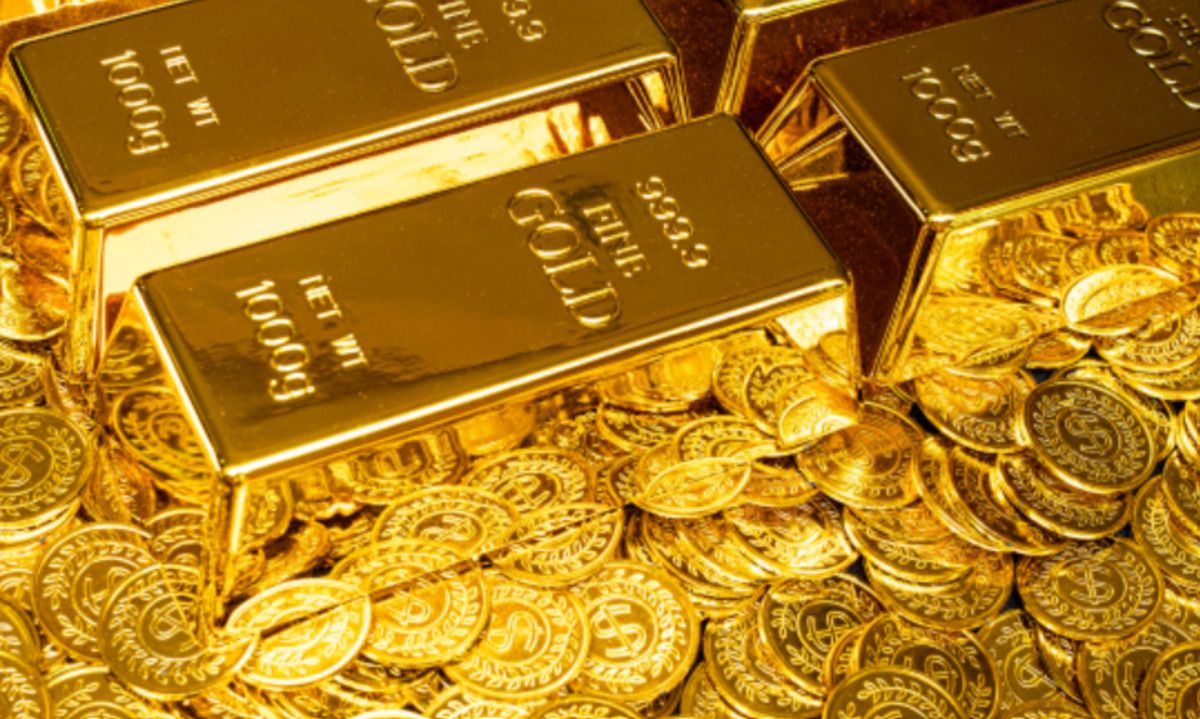
The gold market has recently experienced significant volatility. According to Dow Jones market data, international gold prices recorded their largest monthly decline in nearly 13 years in March.At the same time, the "central bank buying" that had previously been the strongest support for gold prices seems to have loosened, with some central banks turning from buyers to sellers.
However, many precious metals experts point out that this does not mean gold is losing its appeal. On the contrary, the central bank's choice at this time precisely demonstrates the core value of gold as a global reserve asset.
"The narrative that 'central banks are abandoning gold' is simply unfounded based on data," said Jan Skoyles, head of markets at gold trading service provider GoldCore.The current reduction in holdings is not a structural exit, but rather a "cash-out" by a few countries in order to alleviate the crisis under heavy exchange rate pressure.
Scholes points out: "Gold is liquidated because it can maintain its value well during crises and has extremely high liquidity."This is by no means a weakness of gold; on the contrary, it is precisely the significance of holding gold.”
Looking back over the past three years, global central bank gold purchases have reached a record high, exceeding 1,000 metric tons annually between 2022 and 2024, roughly double the average level of the previous decade. This sustained structural demand pushed gold prices to a historic peak of over $5,600 per ounce in January of this year.
Since March, gold prices have retreated by about 17% from their highs, a move closely related to the urgent funding needs of some countries.
- Turkey: Since the escalation of the Middle East conflict, Turkey has used approximately 60 metric tons (worth about $8 billion) of its gold reserves to defend the sharply depreciating lira. This is not because Turkey believes gold is overvalued, but rather for emergency currency defense.
- Russia: To support the high costs of geopolitical conflicts, Russia has been continuously converting its holdings into cash since 2025, and its current holdings have fallen to a 40-year low.
- Poland: Although Poland has been a major buyer of gold in the past two years, there has been a recent proposal to raise about $13 billion for defense spending by liquidating some of its gold reserves.
As Stefan Gleason, CEO of Money Metals Exchange, put it, "Under financial stress, gold fulfills its mission—providing countries with readily available liquidity."
Although some central banks have been forced to liquidate their assets due to a "cash shortage," the fundamental reason for a long-term bullish outlook on gold remains unshaken. Former U.S. Mint Director Edmund Moy believes that...The short-term actions of a few central banks will not change the overall trend of global central banks being "net buyers" of gold.
at the same time,Private investors are viewing this pullback as a good entry opportunity.BullionVault's Gold Investor Index shows that the number of buyers significantly exceeded sellers in March, reaching its highest point since August 2020.
“Investors are taking advantage of the pullback in gold prices to turn the clock back to levels seen before the January surge,” said Adrian Ash, head of research at BullionVault. “This broad demand demonstrates that gold remains the most attractive asset in a world full of uncertainty and danger.”
Despite the sharp short-term fluctuations, the core factors driving the long-term bull market in gold prices—surging global debt, currency devaluation, the trend of de-dollarization, and geopolitical instability—remain intact.
Precious metals strategist Peter Grant points out that over the past five years, gold has transformed from a marginalized safe-haven asset into a core asset for high-net-worth individuals and even institutional investors. "If gold is sufficient to back central bank reserves, then it's sufficient to be a part of everyone's portfolio."