


Author:Wall Street CN
Global market sentiment tightened again as Trump's deadline for ceasefire negotiations with Iran expired Tuesday evening Eastern Time: international oil prices fluctuated higher, US stock futures fell, and Bitcoin erased the previous day's gains. The interplay between limited ceasefire signals and the continued risk of escalation led investors to generally adopt a wait-and-see approach.
according to
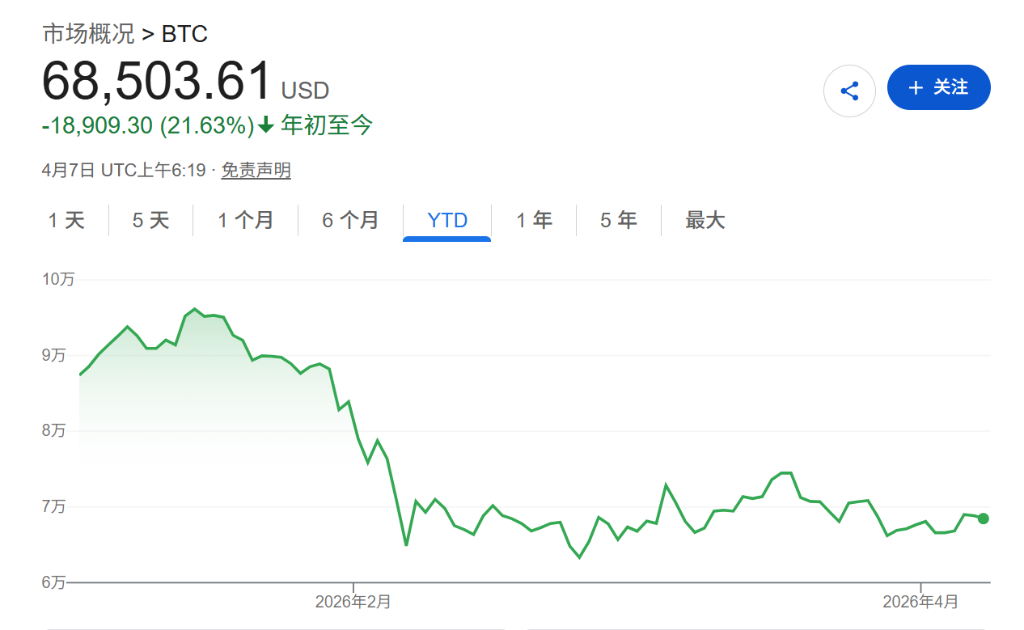
Brent crude rose 1.2% to above $110 a barrel, but had previously fluctuated between gains and losses multiple times; U.S. stock index futures fell 0.4%; Asian stocks narrowed gains to 0.5% in early trading, led by technology stocks – the latter being considered a sector relatively less affected by the Middle East conflict; Bitcoin fell more than 2% to around $68,800, erasing all gains from the previous day's brief breakthrough of $70,000.
Singapore's Foreign Minister Vivian Balakrishnan warned in an interview with Bloomberg TV that "the market is certainly not fully pricing in the worst-case scenario" and that the economic shock from the war could worsen further. eToro market analyst Josh Gilbert stated, "This is a market entirely driven by headlines"—news of a ceasefire framework boosted stocks and caused oil prices to fall, only to be reversed by Trump's threats to destroy Iranian infrastructure, exposing the market's vulnerability.
- U.S. stock index futures fell 0.4%; European stock futures pointed to a flat opening.
- Asian stocks pared gains to 0.5% in early trading, led by technology stocks – which are considered a sector less affected by the Middle East conflict.
- The yield on the 10-year U.S. Treasury note rose 1 basis point to 4.34%.
- The yield on Japan's 10-year Treasury note fell 2.5 basis points to 2.400%.
- The US dollar spot index remained largely unchanged.
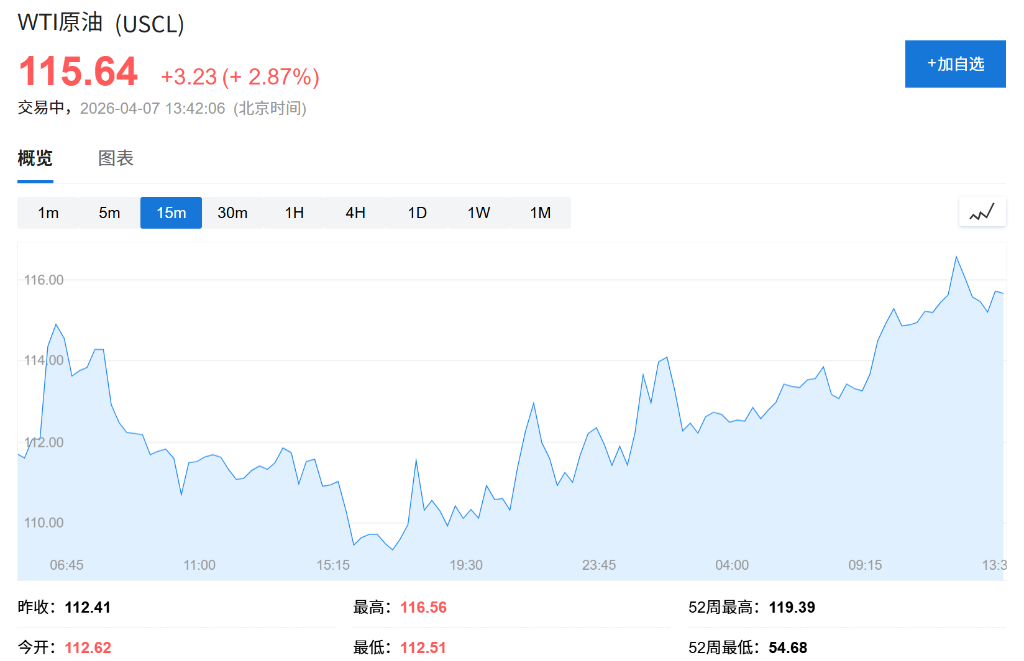
- Brent crude futures rose 0.4% to $110.19 a barrel on Tuesday, while West Texas Intermediate crude futures rose 2.8% to $115.31.
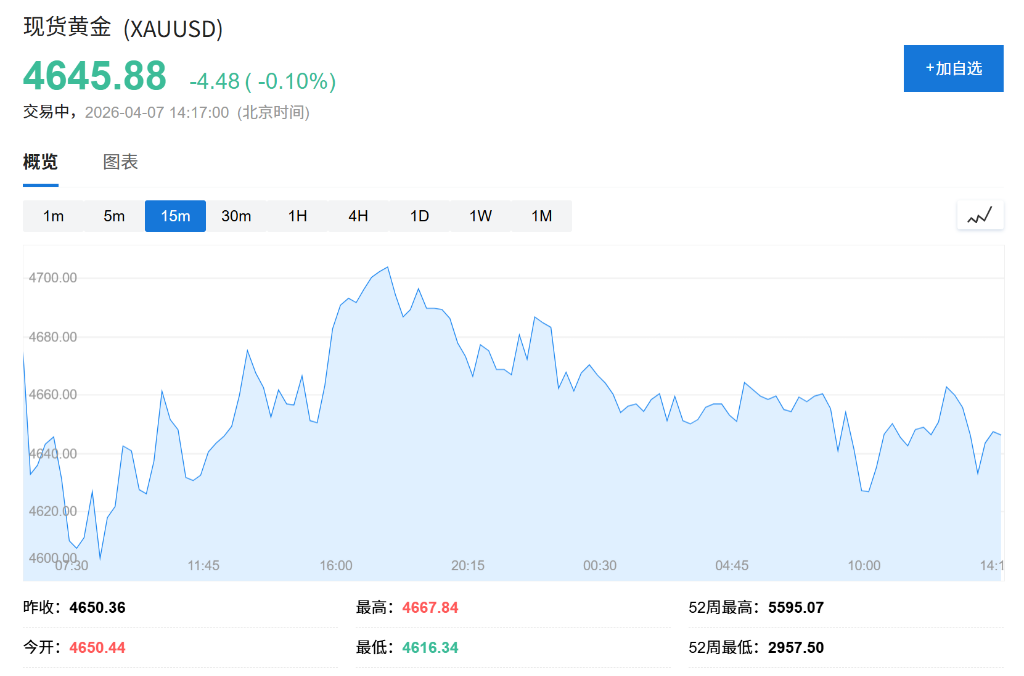
- Gold traded in a narrow range around $4,645 per ounce, having fallen more than 10% since the conflict began.
- Bitcoin fell more than 2% to around $68,800, erasing all the gains it made the day before when it briefly broke through $70,000.
Oil Prices: The Strait of Hormuz Dominates Market Trends
Brent crude oil has risen by about 50% since the conflict erupted at the end of February. The Strait of Hormuz, a key waterway for Middle Eastern oil exports, remains a focal point of market attention. Trump insists that any ceasefire agreement must include concrete arrangements to ensure the passage of the waterway, a stance that further narrows the room for negotiation.
The war has killed thousands and triggered the largest supply disruption in the history of the global oil market. Domestically, the war is losing support – consumers are under pressure from average gasoline prices exceeding $4 per gallon, and Trump has consistently failed to find a way to end the conflict.
"Market participants will remain highly sensitive to every development in the Middle East situation, which remains the primary driver of current sentiment, and the current bias appears to be downward," wrote Nick Twidale, chief market analyst at AT Global Markets, in a report.
Equities and Foreign Exchange: Mild Volatility, Stalemate Between Bulls and Bears
Global stock markets fluctuated between hopes for a ceasefire and fears of escalation. According to...Wall Street News ArticleTrump set a deadline of 8 p.m. Eastern Time on April 7th. Reports indicate that a joint US-Israeli plan to bomb Iranian energy facilities on a large scale is ready and awaiting Trump's order. Iran has also issued an ultimatum to the US, insisting it will not back down and escalating its domestic mobilization. Although the mediators have not given up, Pentagon officials are skeptical of Trump, noting, "If the president believes an agreement is imminent, he may postpone the extension."
European stock futures pointed to a flat opening; gold traded in a narrow range around $4,645 an ounce, having fallen more than 10% since the start of the conflict; the yield on the 10-year U.S. Treasury note rose 1 basis point to 4.34%.
JPMorgan's G10 currency one-month volatility index rose 17 basis points to 7.98% on Monday, but remains within its recent range, indicating that market concerns about the deadline are moderate and have not yet reached a drastic level.
Bloomberg MLIV Asia strategist Mark Cranfield noted that risk sentiment tightened significantly on Tuesday, with US stock futures turning lower and oil futures rising, a typical fragile pattern as investors await Trump's latest deadline. However, he also pointed out that the decline in Asian markets may not continue into the US trading session. Nomura Asset Management chief strategist Hideyuki Ishiguro stated that volatility indices in Japan, the US, and Europe have fallen from their peaks, suggesting that "the market may have already priced in these risks to a considerable extent."
Bitcoin: Institutional inflows provide support as risk assets retreat.
Bitcoin fell more than 2% to around $68,800 in Asian trading on Tuesday, while Ethereum fell more than 2.8% during the same period, erasing gains from the previous day's brief break above $70,000. BTC Markets analyst Rachael Lucas noted that Bitcoin sentiment "remains bearish in the short to medium term," with the market in a wait-and-see mode, "bulls lack sufficient confidence to sustain the breakout, and bears are unable to form a decisive downward breakout."
Nevertheless, there have been signs of resilience at the institutional level: US-listed Bitcoin spot ETFs recorded a net inflow of $471.3 million on Monday, following a net inflow of $22.3 million the previous week. Since early March, Bitcoin prices have generally fluctuated between $65,000 and $75,000, and overall cryptocurrency trading activity has remained weak since the sharp sell-off last October.
Macroeconomic data: Inflation figures become the next focus.
While closely monitoring geopolitical developments, markets are also awaiting key inflation data this week. Data released Monday showed that the U.S. service sector expanded at a slower pace in March, with employment falling by the largest margin since 2023, while input prices accelerated, indicating a coexistence of slowing growth and inflationary pressures.
Nationwide's Mark Hackett believes that while investors are currently focusing most of their attention on geopolitical risks, the underlying macroeconomic data continues to point to a "resilient economy and a still constructive earnings outlook," a quality that should not be overlooked.