

Author:Wall Street CN
As geopolitical conflicts in the Middle East continue to escalate, the supply side of the petrochemical industry chain is directly impacted, leading to a strong surge in A-share chemical stocks and chemical commodities.
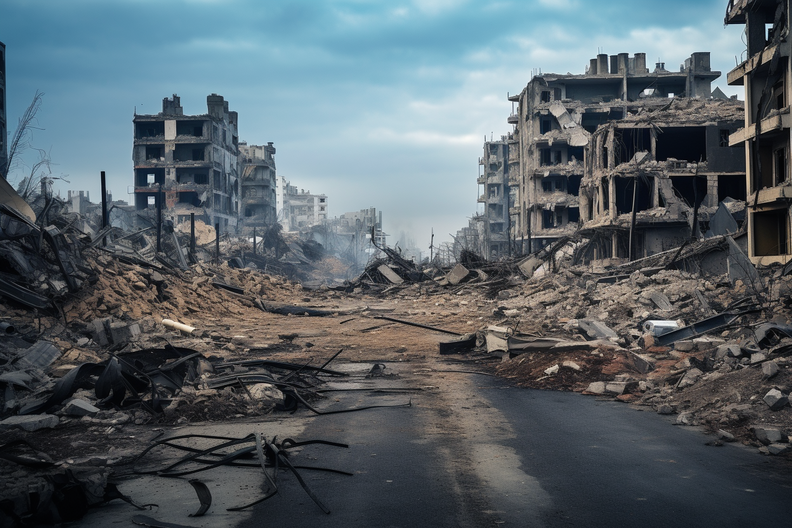
On April 7, Xinhua News Agency reported that Israel carried out an airstrike on Iran's largest petrochemical complex and claimed that it had caused casualties.
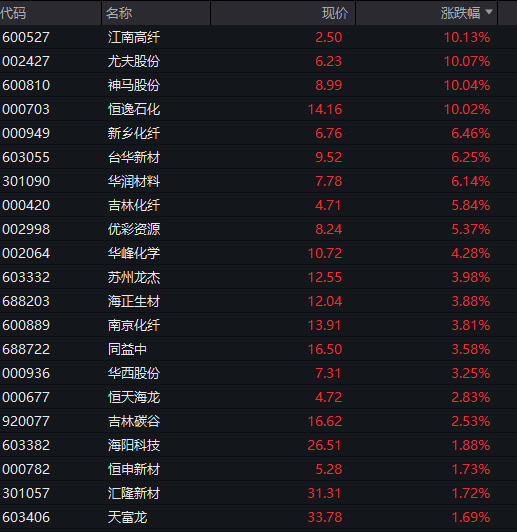
The simultaneous attacks on two major petrochemical producing regions have dramatically increased market concerns about global petrochemical supply. Today, major futures contracts for domestic chemical products such as ethylene glycol, methanol, and propylene surged, with some hitting their daily limit. The A-share market responded in unison, with the chemical sector leading the gains, and sub-sectors such as chemical fibers, chemical raw materials, and petrochemicals experiencing a collective surge.
Israel's airstrikes on Iran's petrochemical hubs directly impact supply chains and threaten its export lifeline.
according to
The Israeli military stated that this strike was the second strike against Iran's two major petrochemical complexes, following previous operations, and has cumulatively damaged more than 85% of Iran's petrochemical export capacity.
Iranian media reported that petrochemical plants in Asaluyeh and South Pars in Bushehr province were attacked by enemy forces, with several explosions heard. Tasnim News Agency, citing local officials, stated that the petrochemical production facility in Asaluyeh was damaged in the attack, and the extent of the damage is currently being investigated.
Attacks on Saudi Arabia's Jubail industrial zone threaten 6% to 8% of global petrochemical production capacity.
according to
The Jubail Industrial Complex is one of the world's major petrochemical production bases, with an annual output of approximately 60 million tons of petrochemical products, accounting for 6% to 8% of the global total.
The area is home to several large petrochemical companies, including the Saadallah project, in which Saudi Basic Industries Corporation (SABIC) and Dow Chemical Company of the United States participated, as well as a project jointly invested by Saudi Aramco and Total Energy of France.
Analysis indicates that,The simultaneous impacts on Iran and Saudi Arabia, two major petrochemical producing regions, have significantly exacerbated market concerns about the stability of petrochemical supply in the Middle East.
Chemical futures surged across the board, with ethylene glycol hitting its daily limit.
The geopolitical shock quickly spread to the commodity market.
Ethylene glycol, methanol, and propylene are all important basic chemical raw materials, widely used in downstream industries such as polyester, plastics, and synthetic fibers. As a major export source for these products, supply-side uncertainties in the Middle East are directly driving market repricing.
This afternoon, the Dalian Commodity Exchange's ethylene glycol main contract hit its daily limit, closing at 5,706 yuan/ton, an increase of about 11%; the Zhengzhou Commodity Exchange's methanol main contract rose by 9%; and the Zhengzhou Commodity Exchange's propylene main contract once rose by 7%.
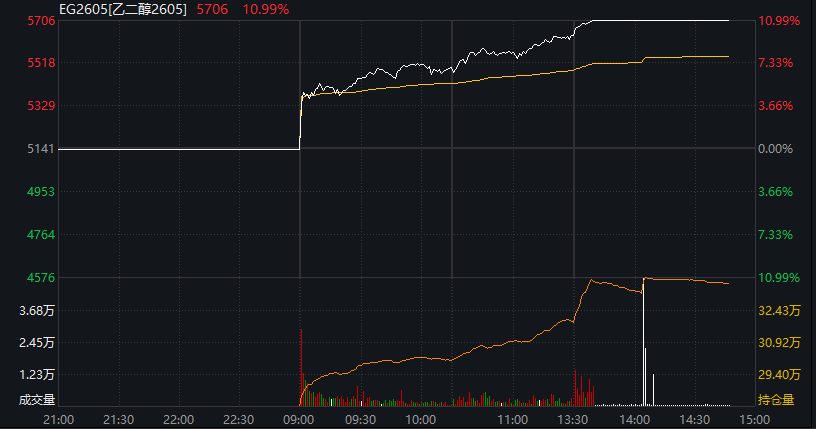
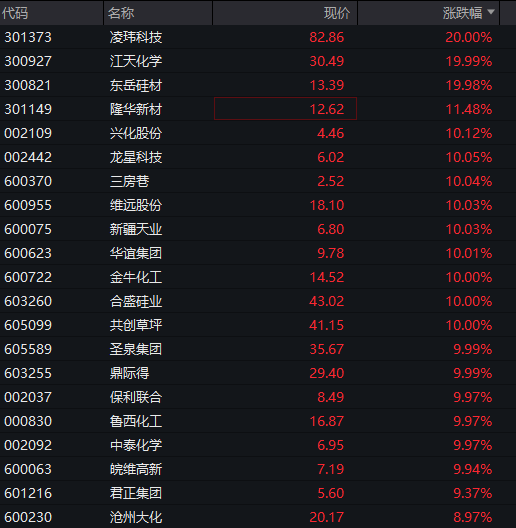
Meanwhile, chemical stocks became the leading sector in the A-share market that day, with sub-sectors such as chemical fibers, chemical raw materials, and petrochemicals showing the largest gains. The combination of supply shocks, price increase expectations, and policy catalysts propelled the chemical sector to stand out in the market that day.
In addition, according to
Several global chemical companies have announced price increases – Dow Chemical, a US chemical giant, doubled the previously announced price increase for polyethylene; Wacker Chemie in Germany raised prices across the board for approximately 2,800 silicone products.
Policy support is also in place. Recently, seven departments, including the Ministry of Industry and Information Technology, jointly issued the "Action Plan for Intensifying the Upgrading and Transformation of Old Petrochemical and Chemical Equipment (2026-2029)," proposing to fully complete the upgrading and transformation tasks of old petrochemical and chemical equipment identified in various regions by 2029, providing policy backing for the industry's medium- and long-term needs.