

Author:Too young
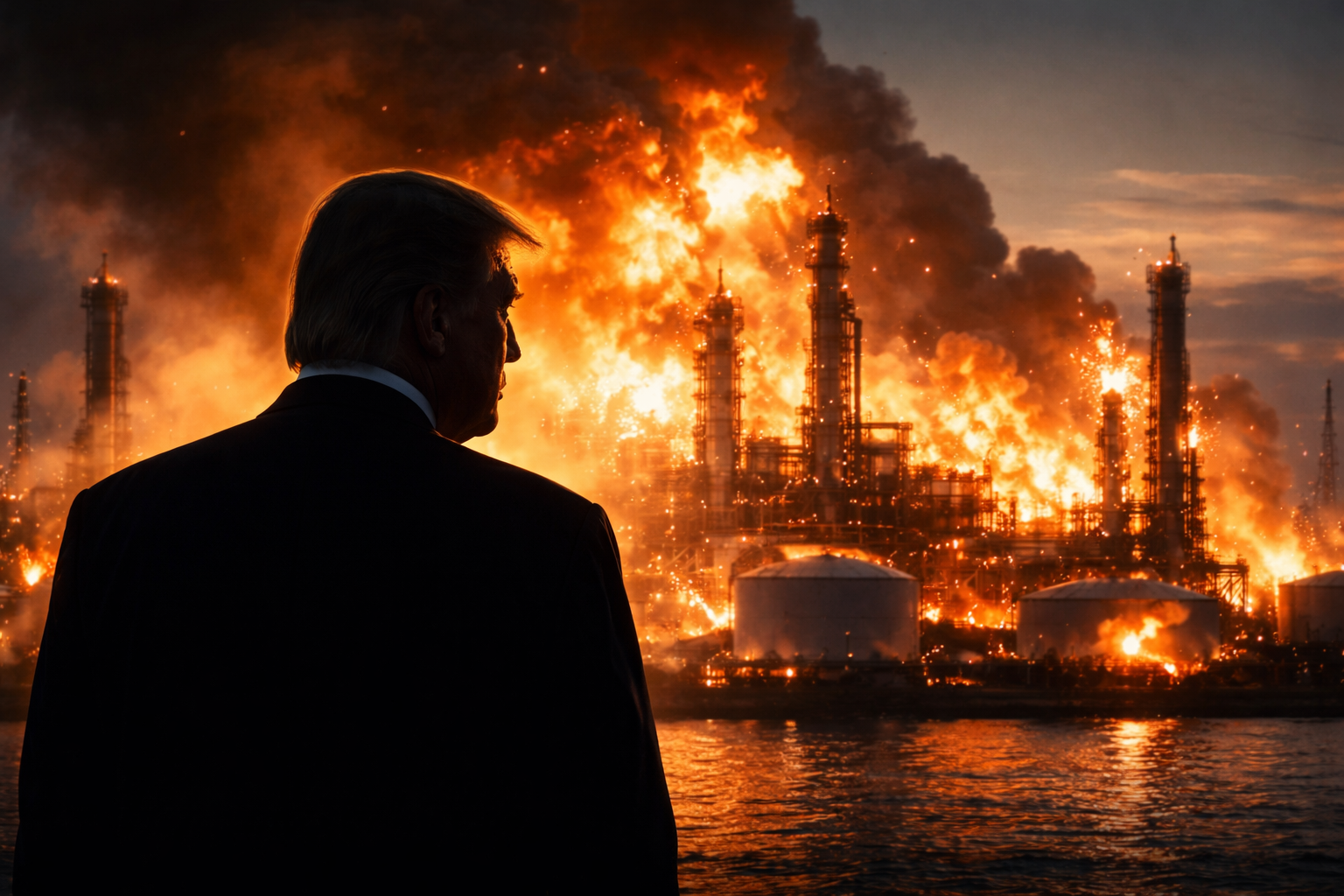
Tensions between the United States and Iran escalated sharply on Tuesday as President Donald Trump renewed severe threats against Tehran while reports emerged of U.S. strikes on Kharg Island, Iran’s main oil export hub. The confrontation now centers on Trump’s deadline for Iran to reopen the Strait of Hormuz, a vital shipping lane for global energy flows, or face further military action.
Trump has warned that if Iran does not comply, the U.S. could target critical infrastructure including power plants, desalination facilities, oil sites, bridges, and transport networks. In one of his most extreme public messages yet, he said “a whole civilization will die tonight,” underscoring how far the rhetoric has escalated as the deadline approached.
The White House has framed the pressure campaign as a push to force Tehran back toward the negotiating table, but the language has raised concerns in Washington and abroad about how far the conflict could spread.
Strikes on Kharg Island Spark Fears of Major Oil Supply Disruption
Kharg Island is especially sensitive because it handles a large share of Iran’s crude exports, making it one of the country’s most strategic energy assets. Live reports said the strikes on Tuesday targeted military sites and air defenses there, raising fears of disruption to oil flows and a broader regional response.
That is one reason traders and governments are watching the Strait of Hormuz so closely: even limited attacks can quickly spill into global markets. Any disruption near Kharg or the surrounding shipping routes could tighten supply and drive further volatility in crude prices.
Trump’s Hormuz Deadline Triggers High-Stakes Countdown to Escalation
The diplomatic picture remains unstable. Reports indicate that indirect talks between the U.S. and Iran have not fully stopped, but the window for a deal is narrowing quickly. At the same time, Iranian officials and military divs have warned that any deeper U.S. move could trigger a wider response and longer-term disruption to energy supplies.
The result is a highly volatile standoff in which every statement and strike carries immediate market and geopolitical consequences. For now, the key question is whether Trump’s deadline forces a last-minute compromise or pushes the region closer to a more dangerous escalation.
With Kharg under fire and the Strait of Hormuz at the center of the dispute, the next move could determine whether this remains a tense standoff or turns into something much bigger.