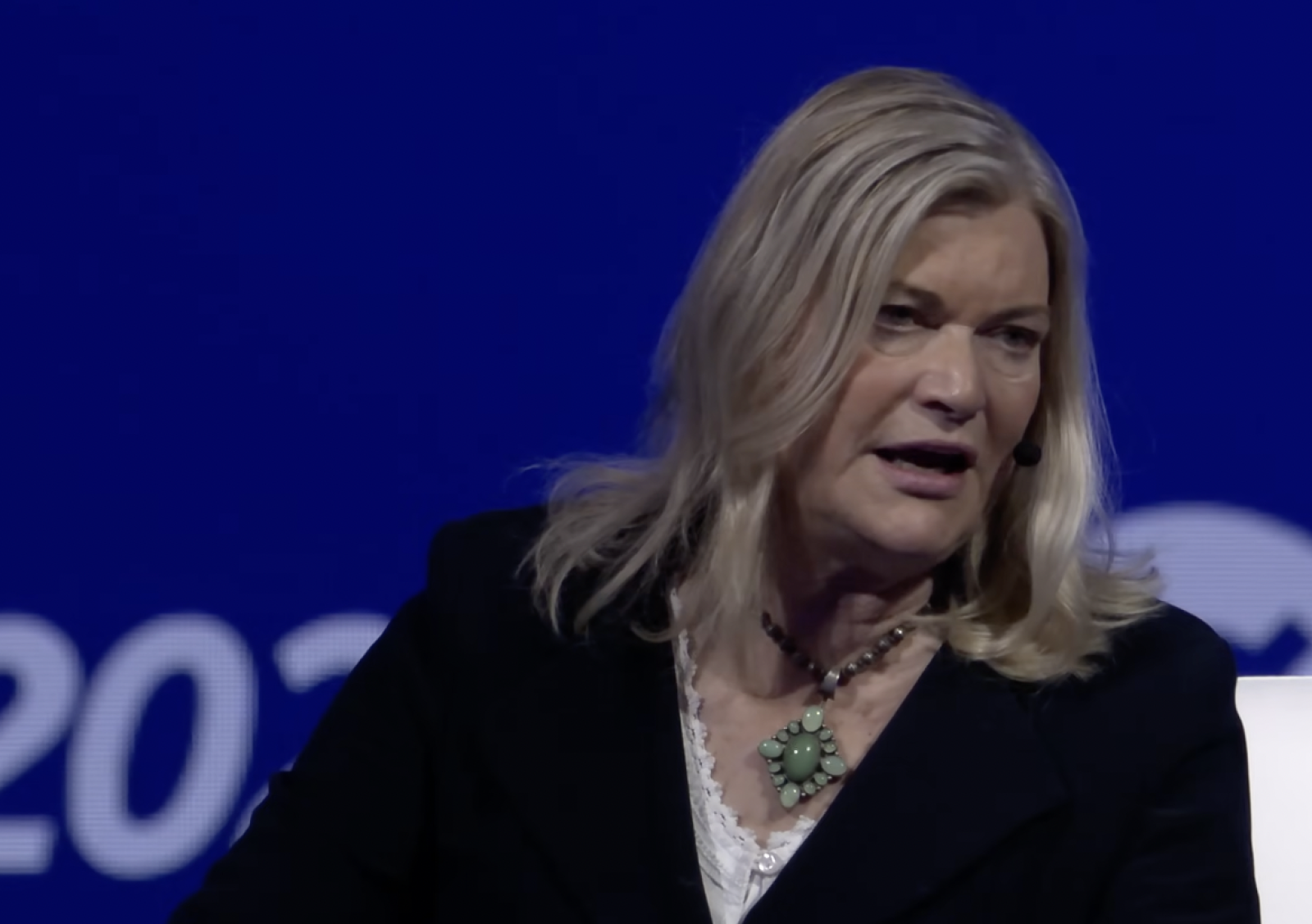
U.S. Senator Cynthia Loomis stated that if the Clarity Act for Digital Asset Markets fails to pass in the current Congress, the U.S. may not have another viable legislative window until 2030. She believes this bill is crucial for the legal protection of crypto developers and for ensuring that law enforcement agencies have clear tools to combat illegal activities in the digital asset market.
Loomis made the above statement in a post on X. She stated that after the current Congress, the next opportunity for digital asset legislation is most likely to wait until 2030. She emphasized that without the CLARITY Act, developers will continue to face legal uncertainty, and law enforcement agencies will lack a unified framework to deal with illegal activities in the industry.
The legislative process is still constrained by the parliamentary schedule.
With the 2026 midterm elections approaching, the congressional schedule is already very busy. Market structure bills typically require committee coordination, bipartisan support, and White House cooperation to reach a final vote. Loomis believes that the current stage may be the last realistic window to complete legislation before the election.
The goal of the Clarity Act is to establish a federal regulatory framework for the U.S. digital asset market. The bill aims to clarify which agencies are responsible for regulating different products, and what rules exchanges, developers, and other market participants should follow. Supporters argue that this will help keep crypto businesses in the U.S. and reduce the likelihood of companies relocating due to unclear regulations.
Stablecoin terms spark opposition from the banking sector
The bill has received bipartisan support in the House of Representatives and has undergone multiple revisions in the Senate. The Senate Banking Committee recently advanced the revised version by a bipartisan vote of 15 to 9, but the controversy surrounding the stablecoin provisions continues.
JPMorgan Chase CEO Jamie Dimon criticized the current version of the bill in an interview with Fox Business. He stated that the banking industry would oppose the bill unless the relevant provisions were adjusted. Dimon worried that the bill could allow crypto companies to reward stablecoin holders in a manner similar to deposit interest.
Banks warn that such rewards could siphon deposits from traditional financial institutions. Crypto companies argue that users should be able to earn returns from digital asset products as long as they comply with federal rules. Dimon also criticized Coinbase CEO Brian Armstrong's lobbying efforts, calling them excessive.
White House support still cannot replace a Senate vote
The Trump administration has publicly endorsed the bill. Trump himself, Treasury Secretary Scott Bessent, and SEC Chairman Paul Atkins have all signaled their support, believing that Congress should expedite digital asset legislation.
However, the real challenge lies in the Senate vote. The bill is expected to require 60 votes to pass, meaning bipartisan support must be secured. Differences between the House and Senate versions also need to be reconciled before it is sent to the White House.
Loomis stated that delays will only perpetuate uncertainty for developers, exchanges, stablecoin issuers, and law enforcement agencies. Her "2030 window" statement also further increases legislative pressure within the current congressional cycle.