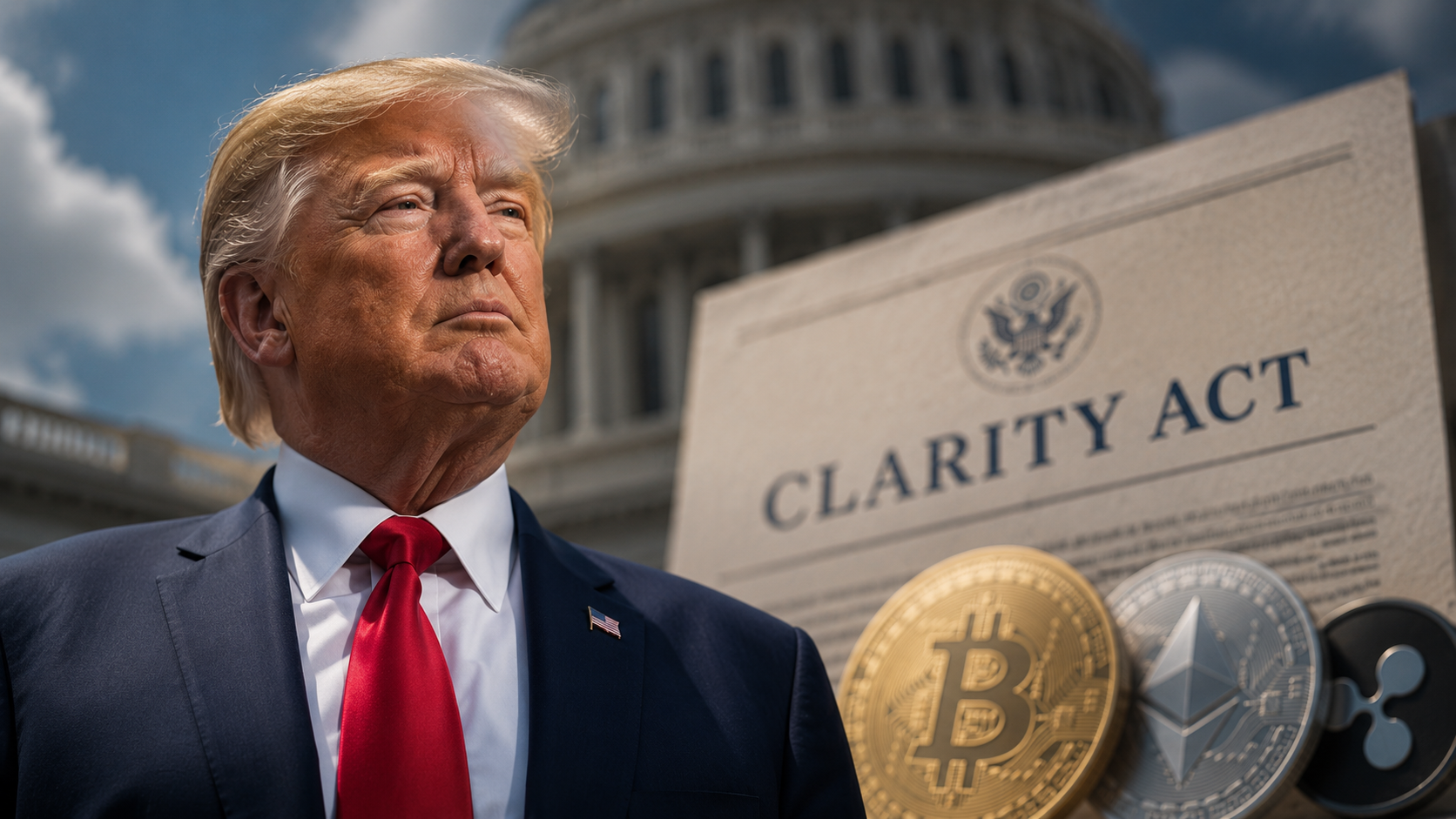
U.S. Senator Cynthia Loomis recently called on Congress to advance the "Clarity of Digital Asset Markets Act," which aims to establish a clearer regulatory framework for digital assets and is currently undergoing further review in the Senate.
The bill focuses on the division of regulatory responsibilities.
The bill, numbered H.R. 3633, aims to divide regulatory responsibilities for digital assets between the U.S. Securities and Exchange Commission (SEC) and the Commodity Futures Trading Commission (CFTC), in an attempt to provide the industry with clearer compliance standards.
Supporters believe that clearer regulatory oversight will help reduce the ambiguity the industry has long faced and may also improve investor protection.
The Senate still needs to complete the vote.
Regarding the legislative process, the bill was passed by the House of Representatives in July 2025 and moved to the Senate Banking Committee in May 2026, indicating that it has entered a more substantive stage of deliberation.
- July 2025: The House of Representatives passes the bill.
- May 2026: Senate Banking Committee advances review
- The vote still needs to be passed by the full Senate and signed by the President.
However, this bill still faces several hurdles before it can officially take effect. According to the current procedure, it still needs to complete subsequent coordination procedures in the Senate and obtain at least 60 votes in a full Senate vote.
Consumer protection remains a point of contention
The debate surrounding the bill is far from over. Supporters emphasize that the United States needs clearer rules on digital assets to maintain its competitiveness in domestic financial innovation; opponents argue that the current version's provisions for consumer protection are still insufficient.
If the subsequent procedures proceed smoothly, there may be a significant adjustment in the regulatory division of labor in the US crypto market, and industry expectations regarding the boundaries of authority between the SEC and CFTC will also converge.