

Author:Wall Street CN
The ongoing conflict in the Middle East continues to impact global energy markets, and Europe is preparing for the worst-case scenario.
In an interview with the Financial Times, EU Energy Commissioner Dan Jørgensen warned that the energy shock would be "long-term."The EU is assessing "all possible options," including fuel rationing and further use of strategic reserves.
He made it clear that"For some more critical products, we expect the situation to worsen further in the coming weeks."This is the most strongly worded public statement made by EU officials to date in this round of crisis.
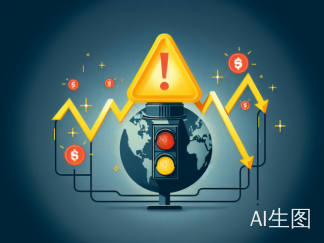
The aviation industry has already felt the pressure, with several airlines expressing serious concern about the future supply of jet fuel. The continued rise in energy prices and concerns about long-term supply are spreading throughout the European economy.
The Strait of Hormuz is nearly closed, plunging the energy market into chaos.
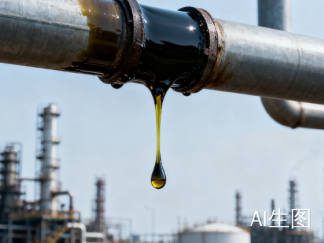
The Strait of Hormuz—one of the world’s most important energy transport routes—is now nearly closed, and the Gulf region’s energy infrastructure continues to be hit, plunging global energy markets into turmoil and causing oil prices to soar.
Dan Jørgensen characterized the current situation as a "long-term crisis," stating that "energy prices will remain high for a considerable period." He pointed out that...The EU is not currently facing a "supply security crisis," but Brussels is already developing contingency plans to address the "structural and long-term impacts" of the conflict.
"The wording and tone we're using now are more serious than they were in the early stages of the crisis," he said.
"This is indeed our assessment—this will be a protracted situation, and countries need to ensure they have adequate reserves."
Limited supply and strategic reserves: Worst-case scenario plans are being developed.
Regarding specific countermeasures, Dan Jørgensen stated that the EU is assessing the possibility of implementing rationing for key products such as aviation kerosene and diesel, although he emphasized that it has not yet reached the stage where actual implementation is necessary. "It's always better to be prepared than to regret," he said.
Regarding strategic reserves, Dan Jørgensen stated that he would not rule out using the strategic oil reserves again "if the situation worsens further." Last month, EU member states participated in the largest release of strategic oil reserves in history to curb rising prices.
He declined to reveal the EU's "precise assessment" of when it would be necessary to release reserves again.However, they stated, "We take this very seriously and are ready to act if necessary.""We need to keep our options open. If this crisis persists as long as I anticipate, we will need these tools in the later stages as well," he added, "but the timing must be precise, and the intensity must be proportionate to the situation."
Discussions on relaxing fuel standards have begun, but regulations have not yet been revised.
Discussions surrounding regulatory standards for aviation kerosene have also been put on the agenda. The EU and the US have different freezing point standards for aviation kerosene—the EU standard is -47 degrees Celsius, while the US standard is -40 degrees Celsius. When asked whether the EU is considering relaxing the standards to expand US import sources or allowing a higher proportion of ethanol to be blended into automotive fuel, Dan Jørgensen stated that "no revisions or adjustments have been made to the existing regulations" at present.
However, he also left room for maneuver:
"We are examining all possibilities, and the more severe the situation, the more we certainly need to consider legislative tools."
On gas policy, Dan Jørgensen reiterated that there would be no amendment to EU legislation this year to stop imports of Russian liquefied natural gas. He stated that the EU will rely more on the US and other partners for additional supplies, arguing that these suppliers operate in a "free market" environment and are therefore acceptable.