

Author:Wall Street CN
Vietnam's economic growth slowed in the first quarter, and rising energy costs exacerbated uncertainty.
On Saturday, Vietnam's National Statistics Office announced that the country's GDP grew by 7.83% year-on-year in the first quarter, lower than the 8.46% growth rate in the previous quarter, but still higher than the market's median expectation of 7.6%.
Manufacturing remained the core engine of economic growth this quarter, with exports rising by about 20.1% year-on-year in March and manufacturing growth reaching 9.73% in the first quarter.
Meanwhile, the Consumer Price Index (CPI) rose 4.65% year-on-year in March, and the Vietnamese government's goal for this year is to keep inflation below 4.5%. The National Statistics Office stated in a press release:
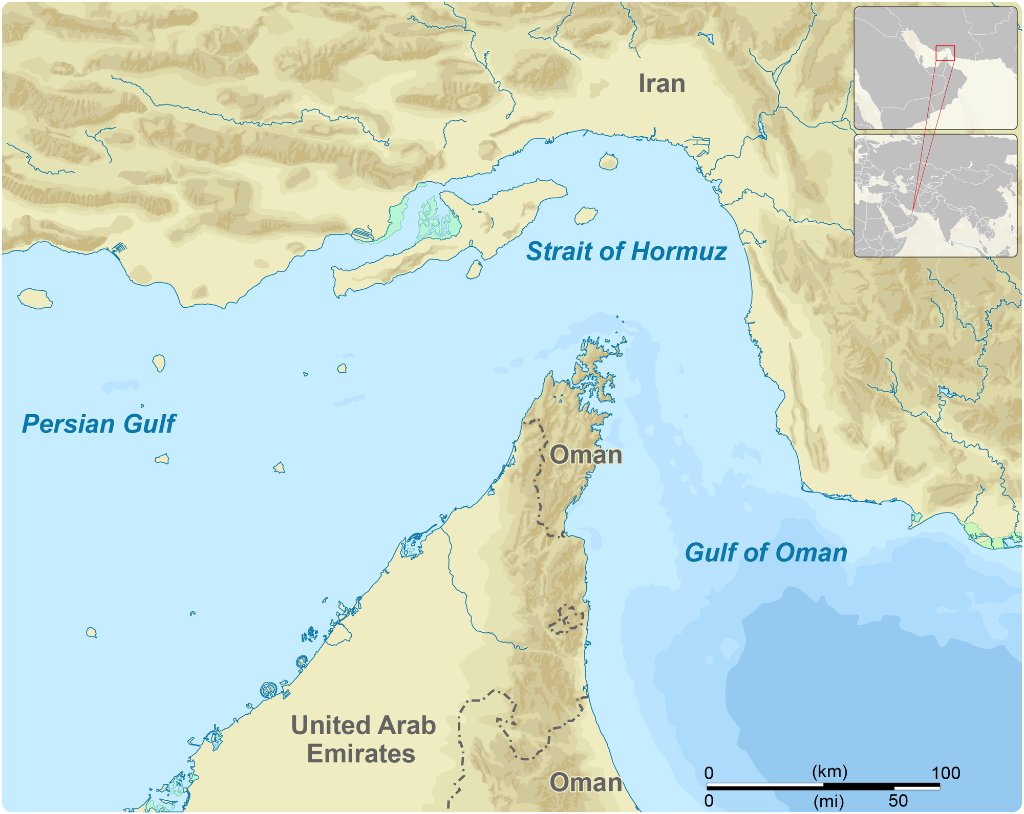
The global situation will remain complex and volatile in the first quarter of 2026, with escalating conflicts in the Middle East leading to energy price fluctuations, supply chain disruptions, and rising inflation.
Middle East conflict impacts Vietnam's energy supply
As a major manufacturing country heavily reliant on imported energy, Vietnam is facing dual pressures from the Middle East wars: rising fuel prices and tightening supply.
To stabilize domestic fuel prices, the Vietnamese government has used its emergency energy reserve fund, and Vietnamese airlines have also significantly reduced flights due to a shortage of aviation kerosene.
To ensure energy security, Vietnam has suspended the collection of taxes on some gasoline, diesel, and aviation fuel, a measure that will remain in effect until April 15.At the same time, the government is actively promoting an accelerated transition to electric vehicles and biofuels in order to reduce dependence on imported petroleum products.
Nguyen Thi Hong, Governor of the State Bank of VietnamLast week, the central bank published an article on its website stating that Vietnam would not sacrifice macroeconomic stability for short-term growth.
Vietnamese Prime Minister Pham Minh ChinhIt was previously warned that global tensions are putting multiple pressures on inflation, interest rates and energy supply, and could have a ripple effect on production capacity and business operations.
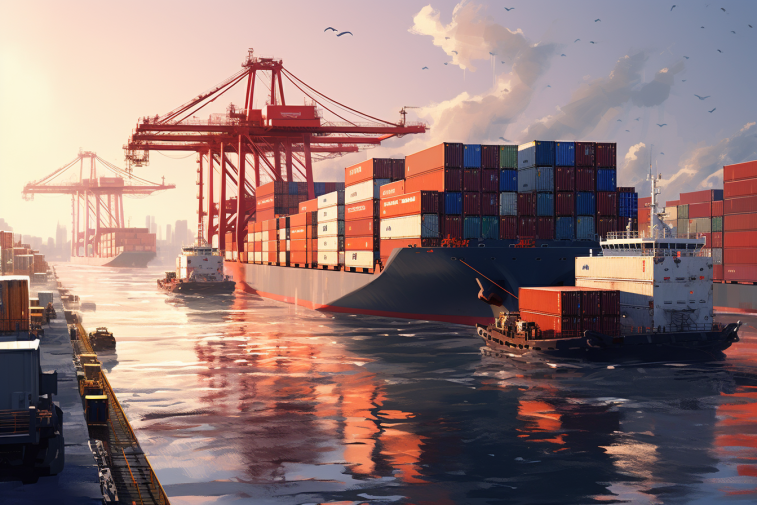
Manufacturing and exports support the fundamentals of growth.
Despite a more complex external environment, Vietnam's trade data remains impressive.
According to data from the Statistics Department of Vietnam, Vietnam's trade surplus with the United States reached US$33.9 billion in the first quarter, up 24.2% year-on-year.
Last year, Vietnam was already the third-largest source of the US trade deficit, after China and Mexico. In January of this year, Vietnam's monthly trade deficit with the US briefly surpassed those two countries, becoming the largest.
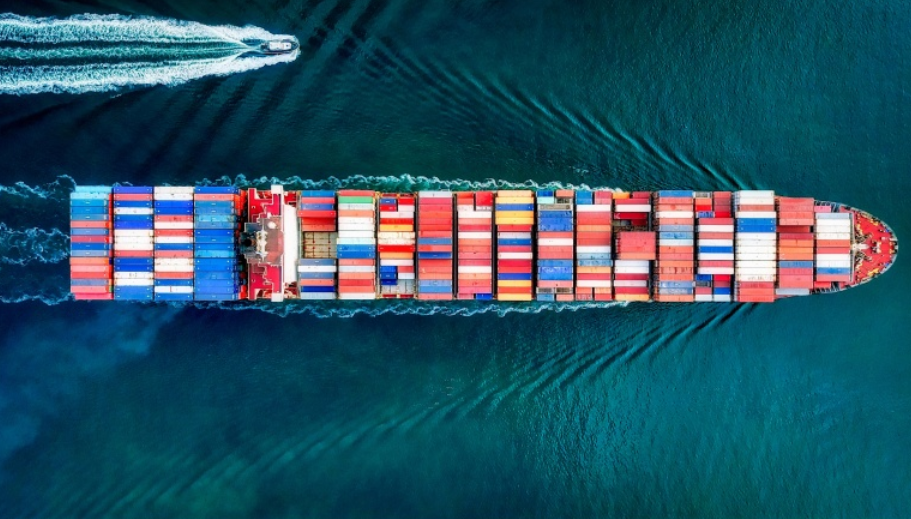
March exports rose approximately 20.1% year-on-year, while manufacturing growth reached 9.73% in the first quarter, continuing to be a major driver of overall economic growth. Meanwhile, March imports climbed 27.8% year-on-year, indicating that domestic demand and production input needs remain robust.
To achieve its macroeconomic goal of sustained 10% economic growth, the Vietnamese government is vigorously promoting public investment programs, with hundreds of infrastructure projects progressing simultaneously.
Among them, Long Thanh International Airport, located on the outskirts of Ho Chi Minh City, is a key flagship project, and Vietnamese Prime Minister Pham Minh Chinh strongly advocates that the project be put into operation in the fourth quarter of this year.