

Author:Wall Street CN
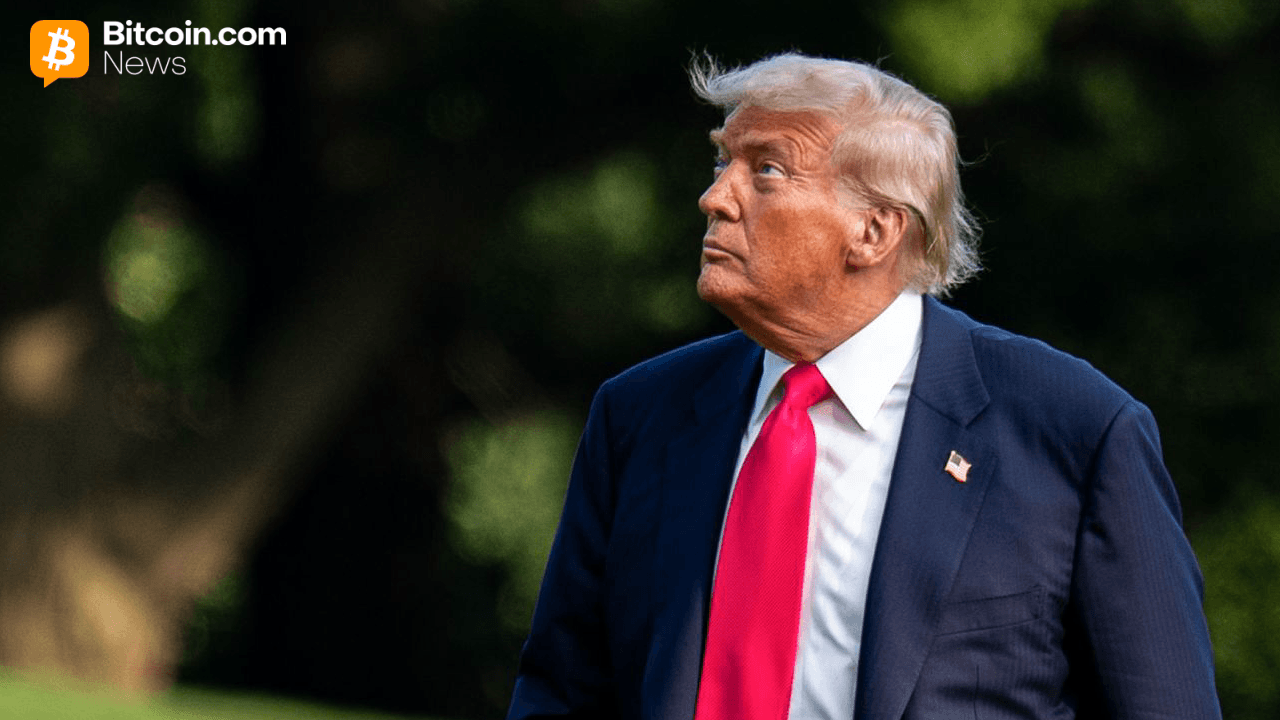
Trump issued a tough ultimatum to Iran while simultaneously signaling a willingness to negotiate and reconcile. This contradictory message has left global investors in a dilemma: they must prepare for a swift ceasefire agreement while also guarding against a sudden escalation that could drive oil prices and bond yields even higher.
On Sunday, Trump warned Iran in strong terms that if the Strait of Hormuz failed to reopen by 8 p.m. ET on Tuesday, Iran would "live in hell," characterizing the deadline as a "combination of Power Plant Day and Bridge Day." However, on the same day, in an interview with Fox News, Trump stated that he had "great hope" of reaching an agreement by Monday. These contradictory statements forced investors to position themselves for both extreme outcomes.
Iran immediately rejected Trump's latest threat, insisting that the crucial waterway would only be fully reopened after Tehran receives war reparations. Meanwhile, Iran continued its strikes in the Gulf region over the weekend, including an attack on Kuwait's oil headquarters. Rob Subbaraman, head of global macro research at Nomura, said, "Markets are on edge; time is running out, and there are only two outcomes—a ceasefire or escalation." He also noted that Trump's tone still revealed the White House's eagerness to end the war, while investors continued to hedge against escalation risks.
Conflicting signals dominate market trends
Since the outbreak of the war, Trump has repeatedly oscillated between claims that "negotiations are progressing well and a peace agreement is imminent" and "preparing to escalate military action against Iran," and has repeatedly extended the deadline for Iran to reopen the Strait of Hormuz. This confusing information flow has directly led to violent market fluctuations, and oil prices have also fluctuated accordingly.
Last week, the S&P 500 rose 3.4%, its best weekly performance since November, as investors bought on dips driven by hopes of a diplomatic solution. Meanwhile, the Cboe Volatility Index climbed from below 20 before the war to around 24 last week.
"Trump's escalating rhetoric over the weekend is exactly in line with his usual style: headline-driven, unpredictable, and designed to apply maximum pressure quickly," said Mohit Mirpuri, equity fund manager at SGMC Capital. He added, "As long as he's in office, the market needs to adapt to this way of policymaking."
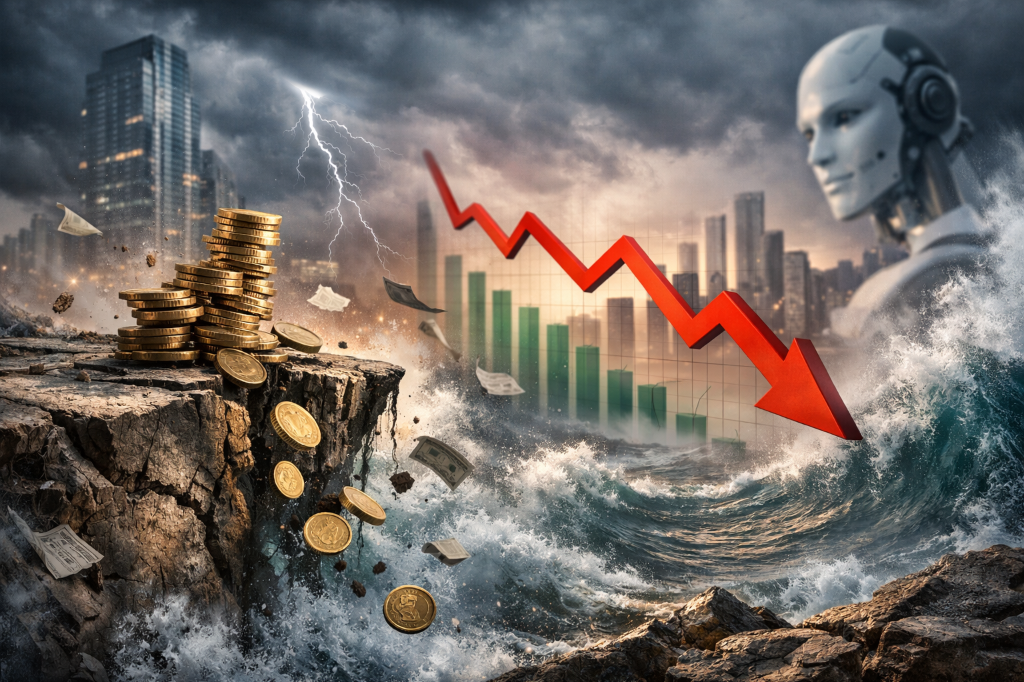
The energy crisis continues, and the risk of stagflation is emerging.
This month-long war and the de facto blockade of the Strait of Hormuz are threatening to plunge the world into one of the worst energy crises in history. Analysts warn that even if a diplomatic breakthrough is achieved, markets will struggle to recover quickly.
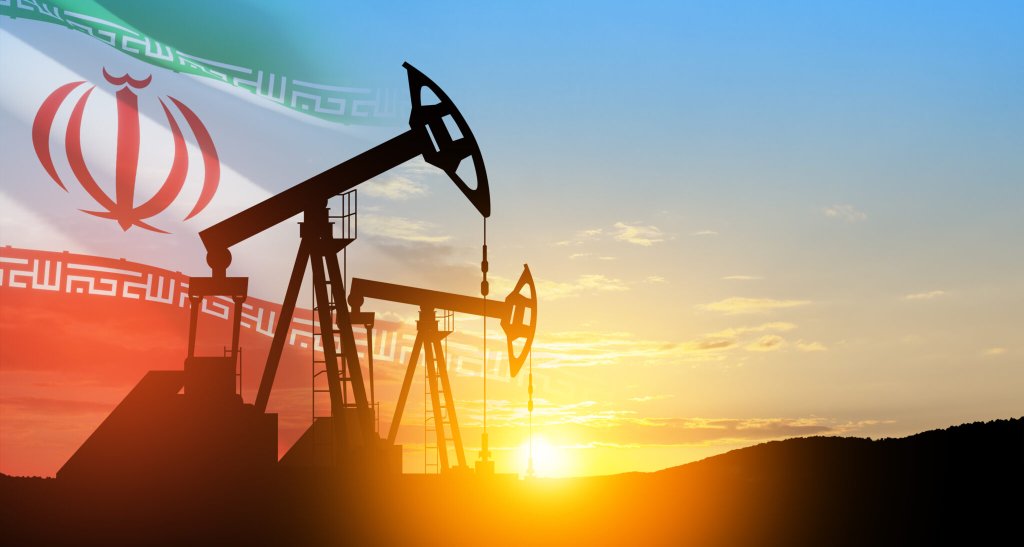
Brent crude oil prices surged to $109.77 a barrel on Monday, up about 50% from when the war broke out on February 28. West Texas Intermediate crude oil saw an even greater increase of 66%, reaching $111.20 at 11 p.m. ET. Despite a slight recovery in traffic recently, shipping volume in the Strait of Hormuz remains 95% lower than pre-war levels—before the war, nearly a quarter of the world's seaborne oil and a fifth of its liquefied natural gas passed through this strait.
OPEC+ decided on Sunday to increase its May production quota by 206,000 barrels per day, but analysts believe this move will have little effect on replenishing oil supply, as the war has severely constrained production and shipments from one of the world's largest crude oil producers.
Mirpuri points out that "even if the Strait of Hormuz reopens, the damage to confidence and supply chains has already been done—things won't return to normal overnight." Rob Subbaraman warns that the war "has lasted long enough to trigger a severe surge in global inflation," and if the situation escalates further, "the inflationary shock could quickly turn into a growth shock, leading to shrinking demand and widespread stagflation."
The bond market is quietly repricing, and yield risk is being underestimated.
The fixed-income market is quietly reassessing the inflation outlook. The yield on the 10-year U.S. Treasury note rose to 4.362% on Monday, up about 40 basis points from 3.962% before the conflict, hovering near its highest level since mid-2025, as investors have significantly reduced their expectations for a Federal Reserve rate cut this year.
Mirpuri stated, "One of the biggest risks that the market is underestimating is the trend of government bond yields. If this geopolitical shock continues to push up inflation expectations, yields could rise again, further tightening financial conditions at a time when the market is already vulnerable."
Wall Street strategist Ed Yardeni points out that the fixed-income market is repricing government bonds to reflect the sharply deteriorating inflation outlook, with "bond vigilantes taking matters into their own hands and tightening credit conditions." He warns, "We cannot now rule out the possibility of a bear market or even a recession; everything depends on how long the Channel Tunnel blockade lasts."
Headlines drive market volatility; market awaits key data.
With Tuesday's deadline approaching, markets are expected to remain highly volatile, with investors closely monitoring every signal from Washington and Tehran.
CCTV, citing Axios, reported that the United States, Iran, and a group of regional mediators are discussing the terms of a potential 45-day ceasefire agreement, which could lay the foundation for a permanent end to the war. However, the report also noted that the likelihood of reaching a partial agreement before the deadline remains slim. Boosted by this news, Japanese and South Korean stock markets rose on Monday, while India's benchmark stock index fell.
Hiroki Shimazu, chief strategist at MCP Asset Management, said, "We are now in an event-driven market where headline risks dominate intraday movements, and position sizing must take into account the duality of the outcome." He expects both sides to move towards de-escalation under Oman's mediation, easing tensions by "quietly slowing the pace of the attack" rather than reaching a decisive solution, and anticipates continued market volatility in the coming weeks.
Investors will also be watching a series of important U.S. economic data this week. The Federal Reserve's preferred inflation gauge—the February Personal Consumption Expenditures (PCE) index—will be released on Thursday, providing initial signals as to whether the oil price shock has already passed on to U.S. prices.
Spot gold has fallen about 12% to $4,672.03 per ounce since the outbreak of the war, pressured by headwinds from safe-haven demand and a stronger dollar, coupled with rising Treasury yields. A strong dollar makes dollar-denominated gold more expensive for holders of other currencies, while rising yields diminish the appeal of this non-interest-bearing asset. "Near-term uncertainty is clearly extremely high, and for most investors, the best course of action at this stage is to wait and see," summarized Chetan Seth, equity strategist at Nomura APAC.