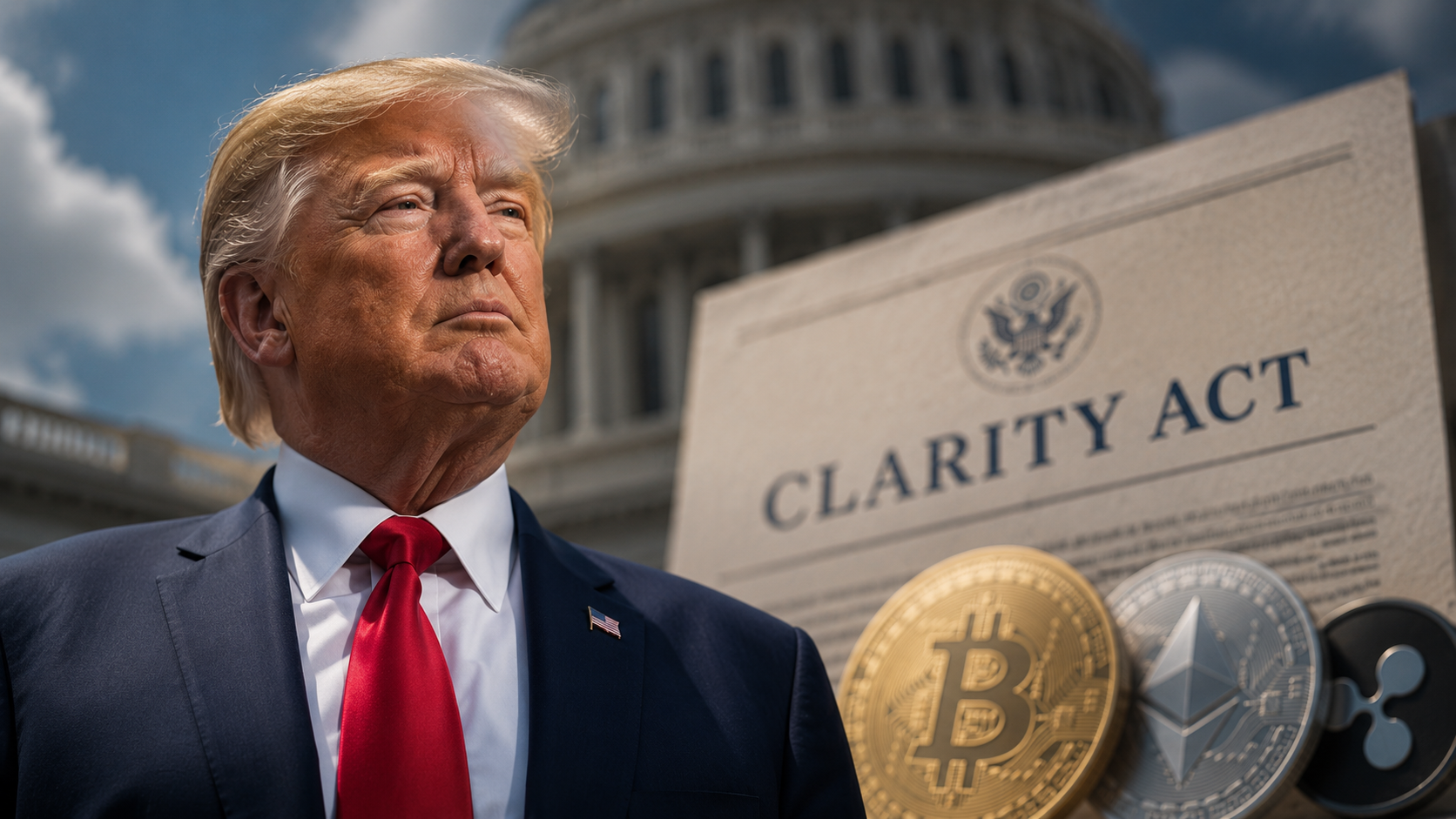
The U.S. Clarity Act for Digital Asset Markets was officially placed on the Senate legislative agenda on June 1. This means the bill is now in the queue for scheduled consideration, but the Senate has not yet announced the dates for full debate and voting.
Five legislative steps have been completed.
The bill passed the Senate Banking Committee on May 14, with a vote of 15 in favor and 9 against. Having completed the scheduled administrative processes, the bill has now gone through five steps from its introduction to its entry into the Senate timeline.
According to the current procedure, the text will still need to undergo full Senate debate and amendment, a full Senate vote, and reconciliation with the House version. Since the House of Representatives passed its own version in July 2025, if there are differences between the two versions, a reconciliation process will be required before it is sent to the President for signature.
Next step: see the Senate bulletin board.
Being included in the legislative agenda does not mean that a vote date has been set. It only means that the bill is eligible to proceed to the full Senate for consideration. Whether it will move to the next stage still depends on when the Senate leadership schedules the agenda.
Senator Cynthia Lummis stated that the United States is closer than ever to establishing a working regulatory framework for the digital asset market. She urged members of Congress to continue pushing forward as the bill enters a crucial phase.
Industry focus on probability of approval
The industry is also tracking the bill's progress. Galaxy Digital, through its over-the-counter prediction market product for institutional clients, completed a $10 million deal related to whether the bill will pass in 2026, giving Arca exposure to the probability of the bill's approval.
Coinbase stated that the CLARITY bill is very close to being implemented. Supporters believe that one of the core functions of this bill is to alleviate the long-standing regulatory jurisdictional differences between the U.S. Securities and Exchange Commission (SEC) and the Commodity Futures Trading Commission (CFTC).
The next key point the market is currently focused on is whether the Senate leadership will schedule a full Senate vote as soon as possible.