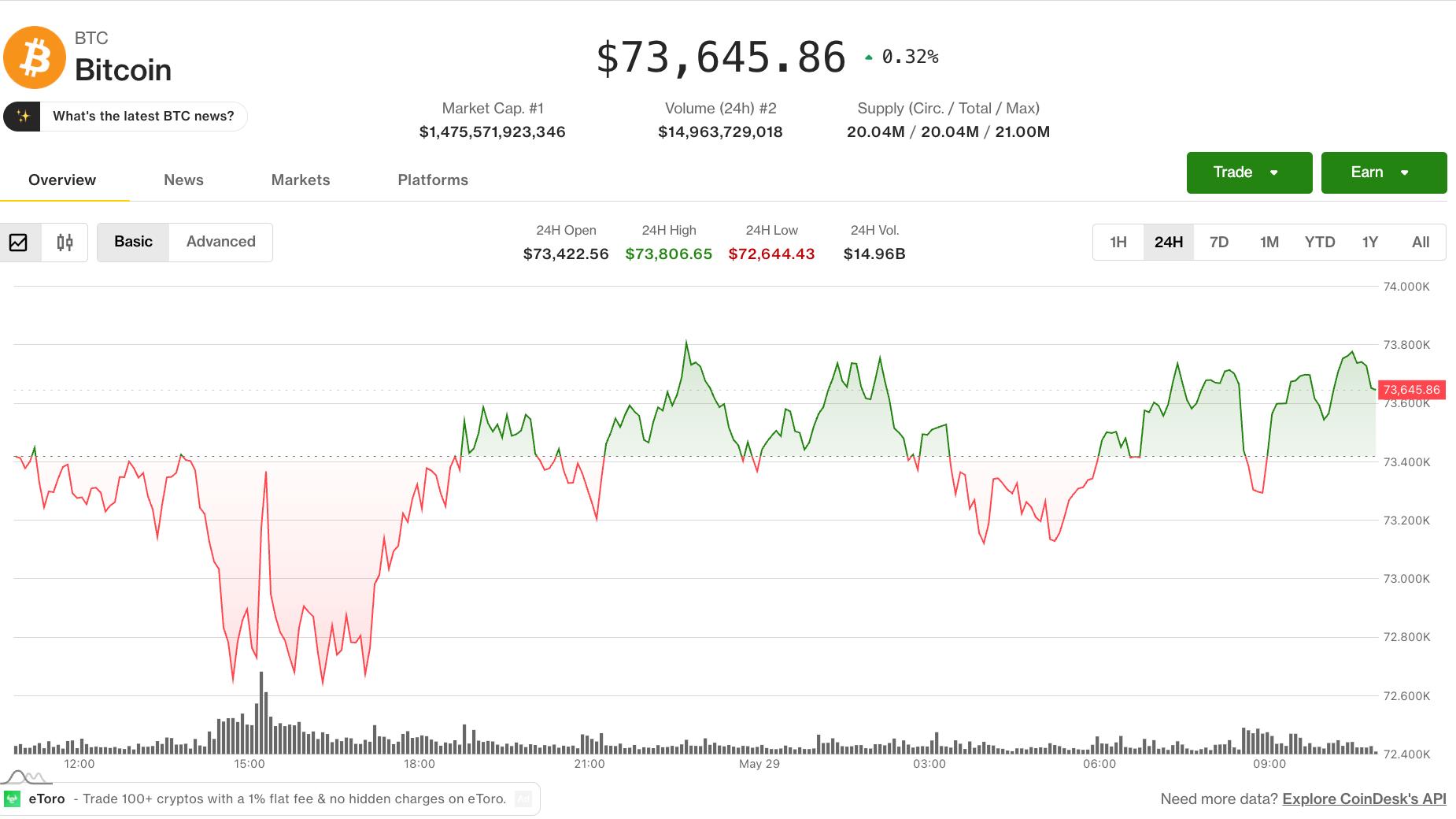
Bitcoin has significantly underperformed the US stock market over the past year. Data compiled by CNBC shows that since its relative strength against the Nasdaq 100 peaked nearly a year ago, Bitcoin has fallen by 35%, while the Nasdaq 100 has risen by approximately 35% over the same period. The performance gap between the two has widened to 70 percentage points, the largest since March 2019.
Cryptocurrency stock options weaken
This shift is also beginning to be reflected in derivatives trading of crypto-related stocks. On Tuesday, options trading for BlackRock's Bitcoin ETF IBIT, Strategy, and Coinbase leaned towards defensiveness, with some investors turning to buying put options or selling call options, indicating a cautious short-term sentiment.
Strategy's bearish order amplified.
ThinkOrSwim data shows that Strategy apparently bought nearly 100,000 put options that day, while buying fewer than 37,000 call options. According to SpotGamma, the most actively traded contract was a put option expiring on June 18 with a strike price of $100, betting that the stock price might retest its year-to-date low.
Similar changes have occurred in IBIT's options trading. The report notes that this is the first time in weeks that related crypto stock options have shown an overall bearish bias, indicating that some funds are reducing their expectations for further upward movement in crypto assets.
Funds shift to other derivatives
Coinbase's options market also saw a significant increase in call option selling. The report, citing market analysts, suggests that some short-term traders are shifting their interest from spot Bitcoin to other, more volatile, and faster-paced derivative instruments, such as 0-day options and perpetual contracts.
The report cited several explanations for the recent weakness in the crypto market, including Strategy's sale of its first Bitcoin in four years on Monday, investors making room for an upcoming IPO, and increased trading in alternative derivatives.
High interest rates continue to suppress Bitcoin
However, considering the relative performance of Bitcoin and US stocks, rising interest rates are still considered a more direct underlying factor. The report points out that the significant declines Bitcoin experienced in 2018 and 2022 coincided with the Federal Reserve's interest rate hike cycles.
David Dziekanski, CEO of Quantify Funds, stated that financing costs are rising across the board, from US Treasuries to Japanese bonds. With tech stocks still driven by narratives of innovation and productivity, scarce assets are more likely to be marginalized.