










Author:Wall Street CN
The United States, Iran, and regional mediators are engaged in final negotiations on a phased ceasefire plan, which is currently the diplomatic way to avoid a sharp escalation of the war and prevent large-scale damage to Middle Eastern energy infrastructure.
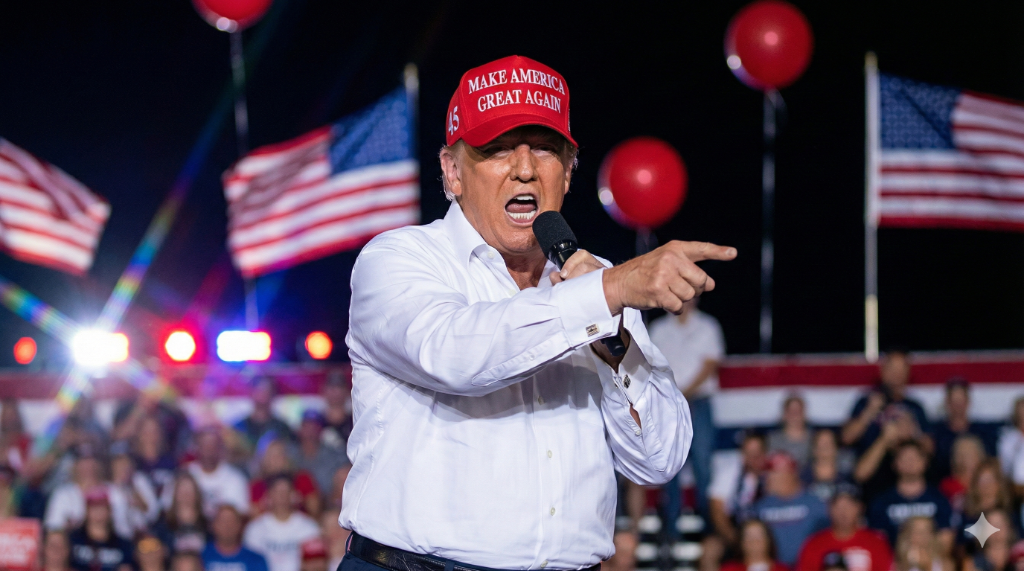
According to Xinhua News Agency, Trump believed that an agreement with Iran was "very likely" to be reached before April 7. Later, CCTV News reported that Trump briefly posted on social media: "Tuesday (April 7) 8 p.m. Eastern Time!" Public opinion suggests this appears to be another extension of Trump's so-called "deadline" for Iran.
According to Axios, citing sources familiar with the matter, the US and Iran are currently negotiating the specific terms of a potential 45-day ceasefire agreement aimed at paving the way for an eventual end to the war. Sources indicate that the likelihood of reaching a partial agreement within the next 48 hours remains slim, but this effort is the only chance to prevent escalation.
Two sources indicated that the joint US-Israeli operation to launch a massive bombing campaign against Iranian energy facilities is ready to be carried out at any time, but emphasized that the purpose of extending the deadline is to leave a final opportunity for negotiations.
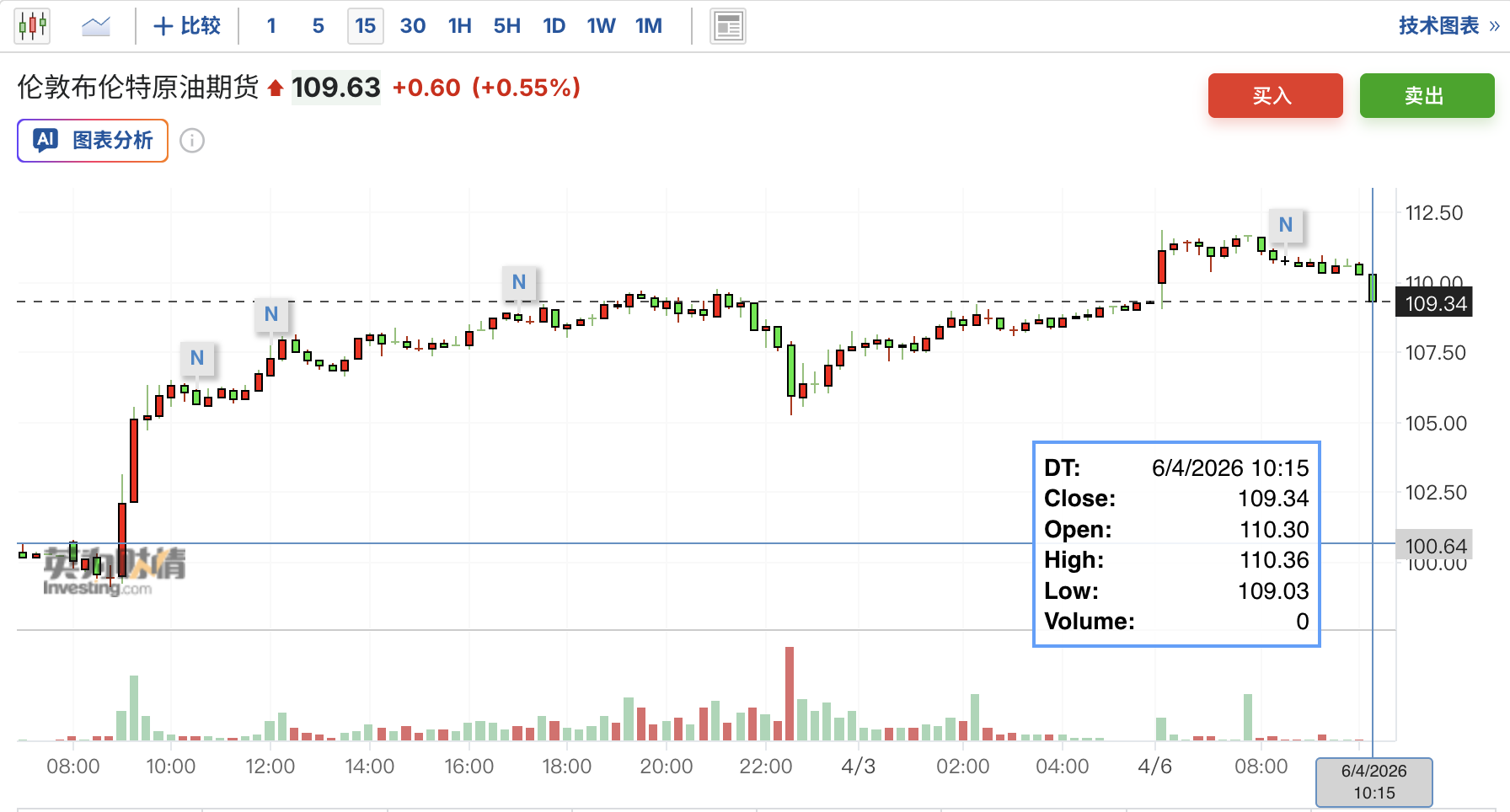
Following the news, Brent crude oil's intraday gains narrowed to 0.55%.
Two-phase plan: ceasefire in exchange for time, final agreement pending.
The mediators are discussing a two-phase agreement framework with all parties: the first phase is a potential 45-day ceasefire during which the parties will negotiate a permanent end to the war, and the ceasefire period can be extended if the negotiations take longer; the second phase is a formal agreement to end the war.
The mediation effort was facilitated by Pakistan, Egypt, and Türkiye as intermediaries, while Trump's special envoy Steve Witkoff and Iranian Foreign Minister Abbas Araghchi maintained direct communication via text message.
A U.S. official said the Trump administration has recently presented Iran with several proposals, but Iranian officials have not yet accepted any of them.
The Strait of Hormuz and Highly Enriched Uranium: Iran's Core Leverage
The mediators are currently discussing confidence-building measures that Iran could take around two core issues: the reopening of the Strait of Hormuz and solutions for Iran’s highly enriched uranium stockpile—the latter involving removing it from Iranian territory or diluting it.
The two issues mentioned above are Iran's main bargaining chips in the negotiations, and Iran will not accept giving up these two cards in exchange for a mere 45-day ceasefire.
The mediators' current focus is on assessing whether Iran can take some steps on each of the two issues in the first phase agreement, while also studying what measures the Trump administration can take to provide Iran with assurances that the ceasefire will not be a mere formality and that the war will not resume.
Iranian officials have made it clear to the mediators that they do not want to repeat the mistakes of Gaza or Lebanon—that is, ceasefire agreements exist in name only, but could be broken at any time by the US and Israel.
The mediator warned: 48 hours may be the last window.
The mediators are deeply concerned about the potentially devastating consequences of Iran's retaliatory strikes against oil and water facilities in the Gulf states following the US and Israel's attacks on Iran's energy infrastructure.
The mediators have directly informed Iranian officials that there is no room for further delays in the negotiations, and that the next 48 hours are the last chance to reach an agreement and avoid large-scale destruction.
However, Iran's official stance remains firm, rejecting any form of concession. The Iranian Islamic Revolutionary Guard Corps Navy stated on Sunday that the situation in the Strait of Hormuz "will never" return to its pre-war state, especially for the United States and Israel.