

Author:Wall Street CN
Tensions in the Middle East have driven up global bond yields, with markets betting that central banks will repeat their coordinated interest rate hikes of 2022. However, UBS Chief Strategist Bhanu Baweja warns that this logic is fundamentally flawed.
In an interview with Bloomberg Television, Baweja stated, "The way markets price things out is like back to 2022—tying all central bank actions together, but the situation is completely different now."
He believes thatThe European Central Bank, the Federal Reserve, and the Bank of England are more likely to respond individually in an "asymmetric" manner, rather than proceeding with interest rate hikes in unison. In his view, supply shocks in the fuel market are more likely to drag down economic growth, thus limiting the scope for further policy tightening by central banks.
The above statement has direct operational implications for bond investors. Baweja pointed out that short-term bonds in the US and UK have shown signs of undervaluation due to the sharp rise in yields, and investors willing to go against the market trend can find value in them.
Market pricing mirrors the 2022 interest rate hike logic
Since the outbreak of the Middle East conflict in late February, the market has significantly raised its expectations for interest rate hikes in major economies, pushing up government bond yields worldwide. Swap market pricing indicates that...Investors have largely ruled out expectations of interest rate cuts by the European Central Bank, the Federal Reserve, and the Bank of England this year.
European bonds fell on Tuesday, with short-term bonds experiencing particularly sharp declines, as money markets further bet on tightening. The yield on German two-year bonds rose 6 basis points to 2.68%, while US bonds weakened across the board.
Baweja argues that the pricing of US and UK Treasury bonds is particularly distorted, reflecting expectations that inflationary pressures will force central banks to initiate a new round of rate hikes similar to those seen in 2022. He directly states: "In the fixed income market, value is forming at the short end, especially in the UK and especially in the US."
The logic of fuel shock is fundamentally different from that of 2022.
Baweja emphasized that the current energy price shock differs significantly from the situation in 2022 in its transmission mechanism.
The current disturbances in the fuel market are more likely to erode economic momentum than simply export inflation—meaning that central banks will face downward pressure on growth rather than having to curb overheated demand by raising interest rates.
Against this backdrop, even if inflation data rises in the short term due to rising energy prices, the central bank is unlikely to ignore growth risks and aggressively tighten policies as it did in 2022.
The macroeconomic environment in which the Bank of England and the Federal Reserve operate has changed structurally compared to three years ago. Tying the policy paths of the three together ignores the differentiated constraints they face.
Short-term bonds are attractive regardless of geopolitical trends.
Baweja provides an asymmetric risk-return framework for his view: regardless of how the situation evolves, the current risk-return profile for short-term bonds is favorable.
"If the situation is resolved smoothly, fixed income, especially the short end, will perform far better than the losses it would suffer if the situation worsened," he said.
In other words,If geopolitical risks ease and expectations of interest rate hikes decline, short-term yields will face significant downside potential; even if tensions persist, economic pressures will limit the actual extent of central bank interest rate hikes.
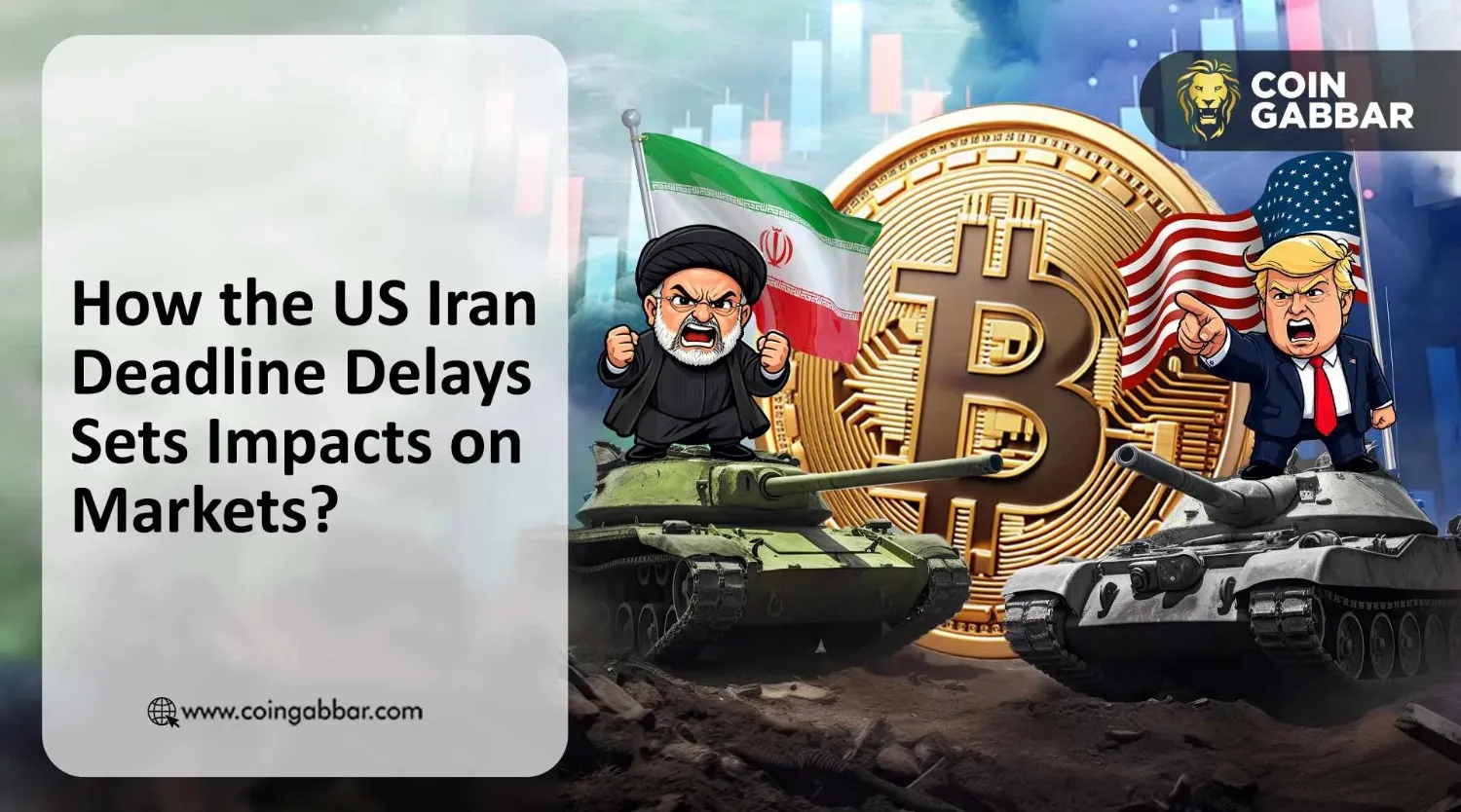
The market remains in a wait-and-see mode, assessing signs of a potential easing of tensions in the Middle East while also monitoring Trump's threat to escalate strikes against Iranian infrastructure if an agreement is not reached by 8 p.m. Eastern Time on Tuesday. This window of uncertainty is precisely why Baweja believes the value of short-term bonds has not yet been fully recognized.