Goldman Sachs issues warning about the situation in the Strait of Hormuz: Several countries face the risk of an "oil shortage"!
Jin10 Data
3h ago
Ai Focus
Goldman Sachs analysts point out that although global oil has not run out, there are increasing signs that pressure is being transmitted, and in the worst-case scenario, localized oil shortages and soaring prices are bound to intensify.
Helpful
No.Help

Author:Currency Explorer

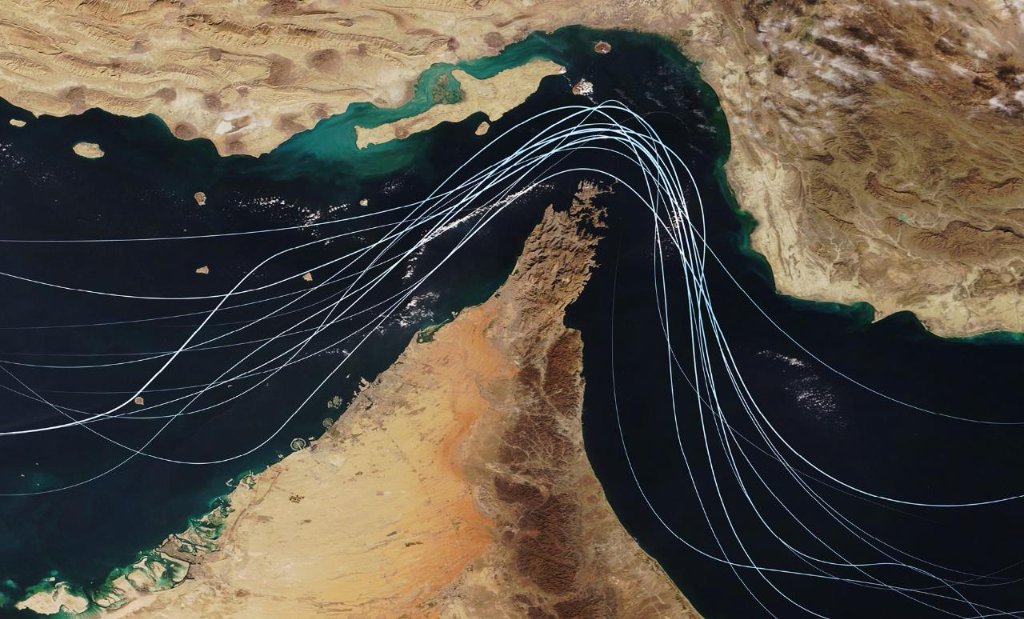
As the ongoing Middle East conflict disrupts oil shipments through the Strait of Hormuz, a vital artery of global energy trade, fears that the world may run out of oil have resurfaced. However,A recent analysis by Goldman Sachs points out that while supply chains are currently under extreme pressure, the actual situation is far more complex than a full-blown global supply disruption.

According to Goldman Sachs' report,The direct impact of this supply disruption was most evident in Asia.This is because several countries in the region are heavily reliant on imports of refined petroleum products from the Persian Gulf. The bank noted that many Asian economies rely on the region for about half of their fuel supply, while countries like South Korea and Singapore depend on the Middle East for nearly three-quarters of their energy needs.

Despite these weaknesses, a complete supply disruption crisis is currently manageable. This is largely because countries have been able to find alternative buyers, utilize existing inventory reserves, and restrict exports to stabilize their domestic markets. However, Goldman Sachs warns that...This cushioning may only be temporary.By late March, Asia’s net oil imports had plummeted, indicating that supply pressures were rising sharply as shipments from the Gulf region slowed.

The report emphasizes that not all fuels have been impacted to the same degree. Petrochemical feedstocks such as naphtha and liquefied petroleum gas (LPG) are facing extreme supply shortages due to depleted inventories and more stringent storage conditions. Meanwhile, global diesel and jet fuel prices have skyrocketed, reflecting both current supply bottlenecks and a market-wide stockpiling mentality in anticipation of future shortages.

Goldman Sachs also pointed out that there are increasing signs on the ground that the pressure is being transmitted. Several countries, including India and Thailand, have reported fuel rationing or supply disruptions, while governments in parts of Asia have introduced intervention measures to control consumption.

despite this,The bank did not directly label the crisis as a "structural supply crisis".Large economies like Japan still hold substantial strategic reserves, giving them a greater confidence to weather this storm. Goldman Sachs believes that broader markets can maintain some flexibility by redirecting trade routes and depleting inventories.

Ultimately, Goldman Sachs believes the world is not yet facing a dead end due to oil depletion, at least not yet.However, if the supply disruption in the Strait of Hormuz persists, the localized oil shortage and soaring prices will inevitably intensify.This is especially true in regions that are most heavily reliant on imports.

Tip
$0
Like
0
Save
0
Views 82
CoinMeta reminds readers to view blockchain rationally, stay aware of risks, and beware of virtual token issuance and speculation. All content on this site represents market information or related viewpoints only and does not constitute any form of investment advice. If you find sensitive content, please click“Report”,and we will handle it promptly。
Submit
Comment 0
Hot
Latest
No comments yet. Be the first!
Related
Iraq notified buyers to pick up their goods themselves, stating that its crude oil could be transported via the Strait of Hormuz.
After a 97% plunge in exports in March, Iraqi crude oil has finally seen a glimmer of hope with an "exemption"! The authorities have urgently notified Asian buyers to resume taking delivery of goods through the Strait of Hormuz. However, the details of the exemption are vague, and buyers must face the risks of transit. The Asian market is generally cautious and awaits further security guarantees from Iraq. The full recovery of the Strait remains highly uncertain.
Wall Street CN
·2026-04-06 14:43:27
375
US intelligence agencies assess that the Strait of Hormuz is unlikely to be "opened up" in the short term.
A recent US intelligence assessment warns that Iran will not easily relinquish its key bargaining chip, the Strait of Hormuz. A former CIA director stated bluntly that Tehran understands that controlling the Strait is "more powerful than nuclear weapons," making negotiations extremely difficult. Furthermore, a US military effort to force access would be costly, and there is a significant discrepancy between Trump's optimistic statements and intelligence conclusions.
Wall Street CN
·2026-04-04 18:25:42
908
Iran and Oman held vice-ministerial talks to discuss "various options to ensure the smooth passage of ships through the Strait of Hormuz".
According to a disclosure by the Omani Ministry of Foreign Affairs on Sunday, April 5, Iran and Oman held vice-ministerial level talks to discuss various possible solutions to ensure the smooth passage of ships through the Strait of Hormuz. A team of experts also attended the meeting and submitted specific recommendations. Data from Lloyd’s List shows that on Sunday, three Omani vessels sailed outside the “permitted corridor” designated by Iran, passing close to the Omani coastline through the strait.
Wall Street CN
·2026-04-06 12:06:29
666
Shipping disruptions in the Strait of Hormuz have caused global shipping costs to skyrocket, with freight rates now increasing 11 to 12 times.
Jin10 Data
·2026-04-03 18:24:20
519
A French container ship has sailed out of the Strait of Hormuz, marking the first time since the Middle East conflict that such a ship has sailed out.
More information to be updated continuously.
Wall Street CN
·2026-04-03 15:31:09
320